
In October 2026, we organized our 12th annual series of events commemorating the pre-war Jewish community of Brzesko and vicinity. Years ago, our focus was solely on remembering the murdered Jews of Brzesko. However, we later realized that it would be deeply unfair to remember people who lived in Brzesko for several centuries only because of their tragic deaths during World War II. Since then, we’ve been organising concerts, meetings, and exhibitions that tell the story of Jewish life in Brzesko and the surrounding district before the war, followed by the March of Remembrance on the next day.
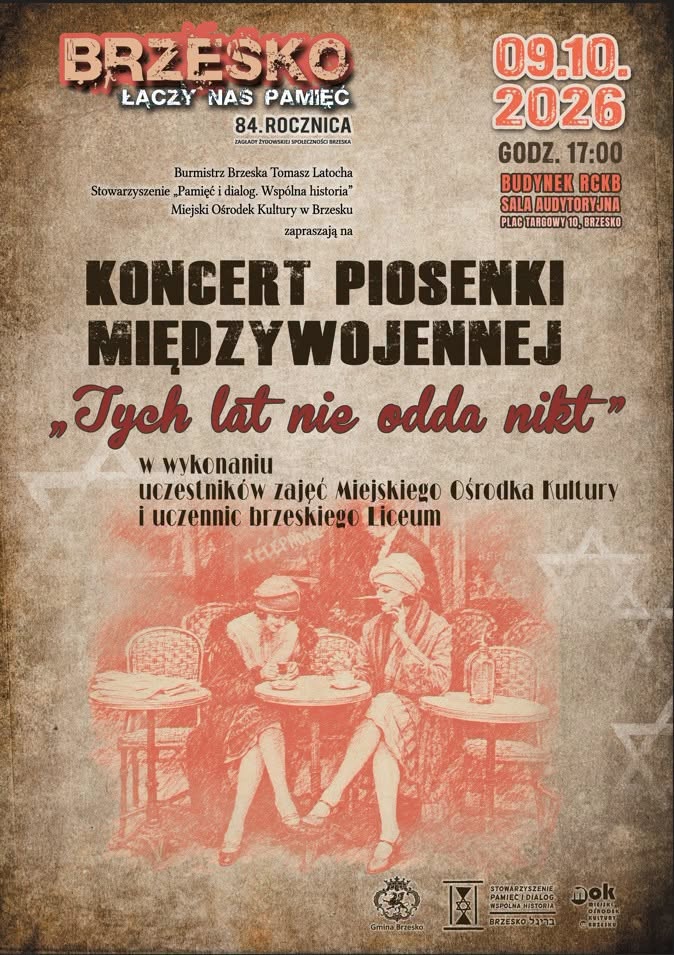
In 2026, we first gathered on October 9 for a concert of interwar songs titled “Tych lat nie odda nikt” (“No One Will Return Those Years”), prepared by local youth. The concert host, Adam Musiał, introduced the audience to the creators of the most famous songs of that era. For most of those present at the concert, it was likely a surprise to learn that Polish Jews were the authors of over 90 percent of the music and/or lyrics for these songs.
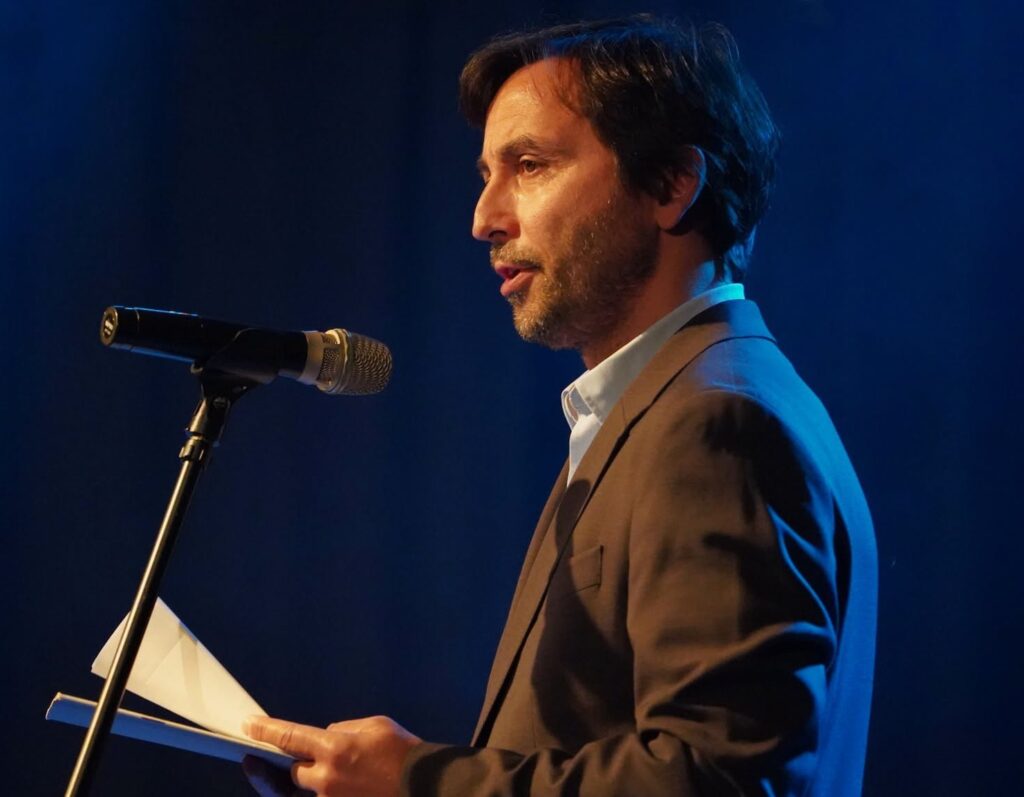
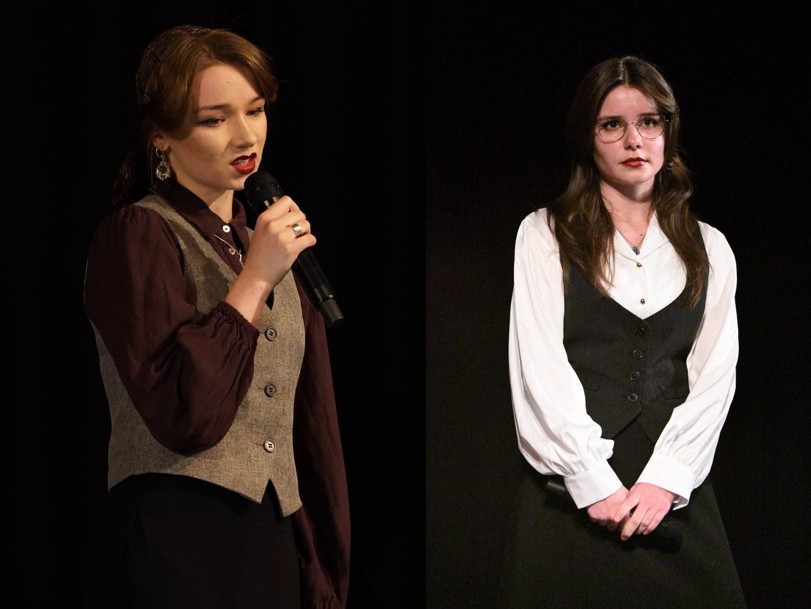
At the beginning of the concert, Magdalena Wójcik and Maja Obijalska read Antoni Słonimski’s poem “Elegia miasteczek żydowskich” (“Elegy of Jewish Towns”), connecting everyone to the theme of the pre-war life of Polish Jews and the tragedy of the Holocaust. Later, we listened to famous songs such as “Miłość ci wszystko wybaczy” (“Love Will Forgive You Everything”) and “To ostatnia niedziela” (“This Is the Last Sunday”), performed by Kinga Łoboda (vocals), Zuzanna Nizioł (vocals), Julia Młastek (keyboards, vocals), and Sonia Węgrzyn (violin).
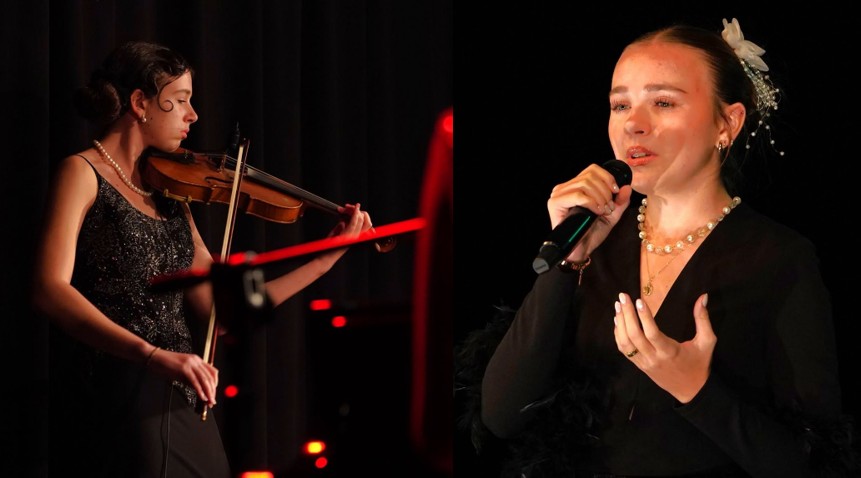
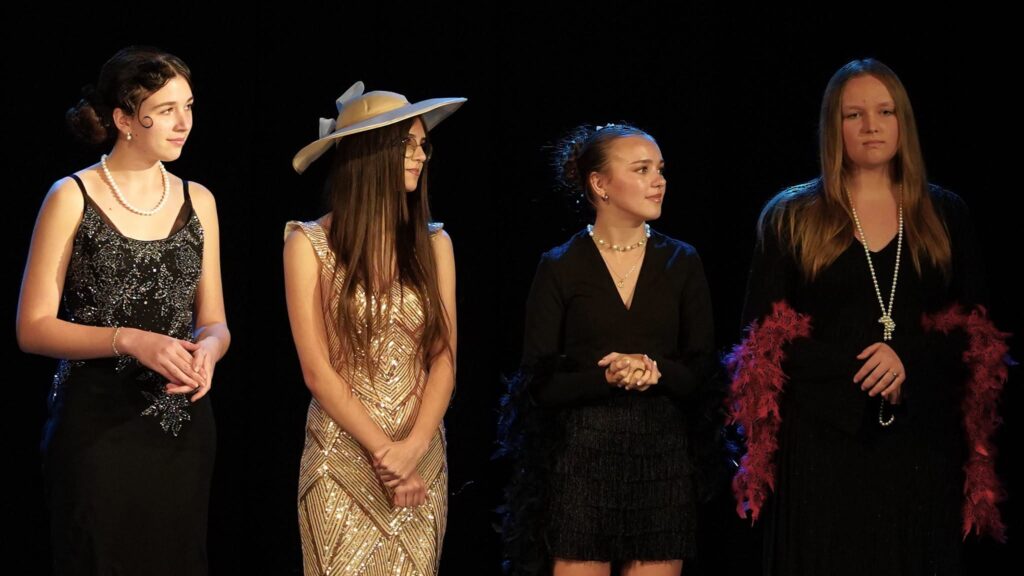
The concert concluded with a reading of the poem “Przestroga” (“The Warning”) by Maja Obijalska:
…Feel the gusts of wind, which once
carried
harmless, polite conversations, but now carry
a cry, still loud.
Do not look away; catch that so very
“ordinary”
yellow bouquet in your hand. Bring it and reflect.
For evil is born not in a scream, but in
silence,
in inaction. In hearts that have forgotten how to feel.
You can watch the full concert here:
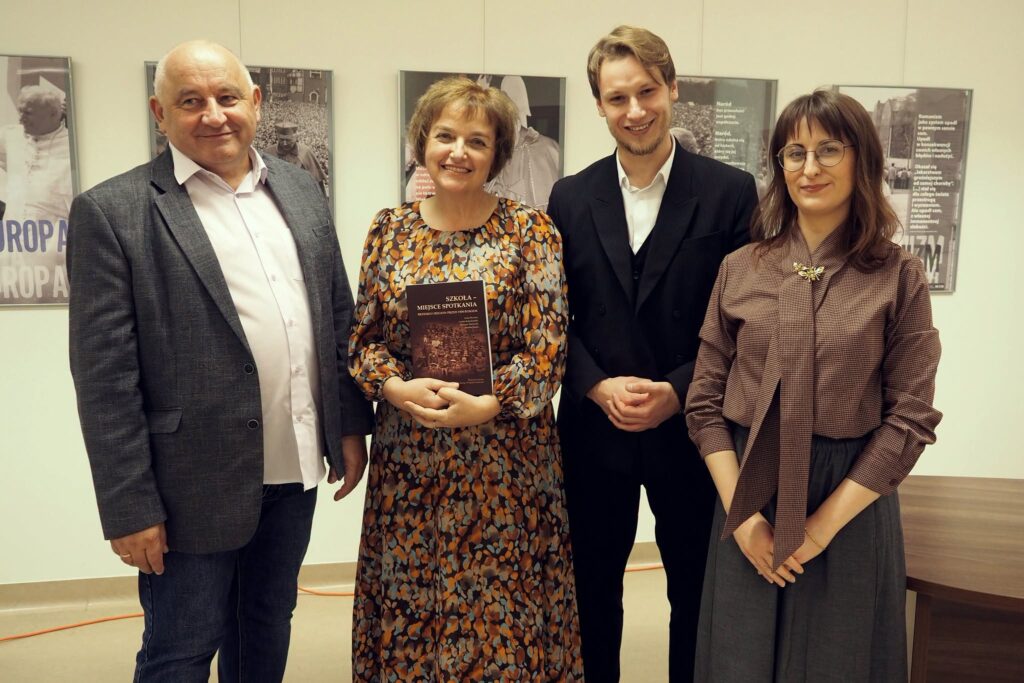
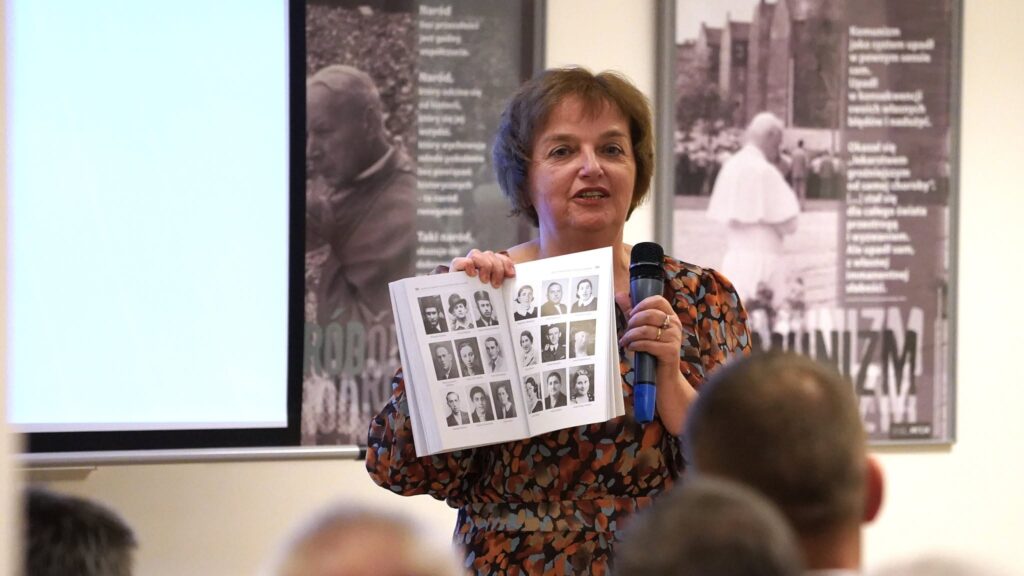
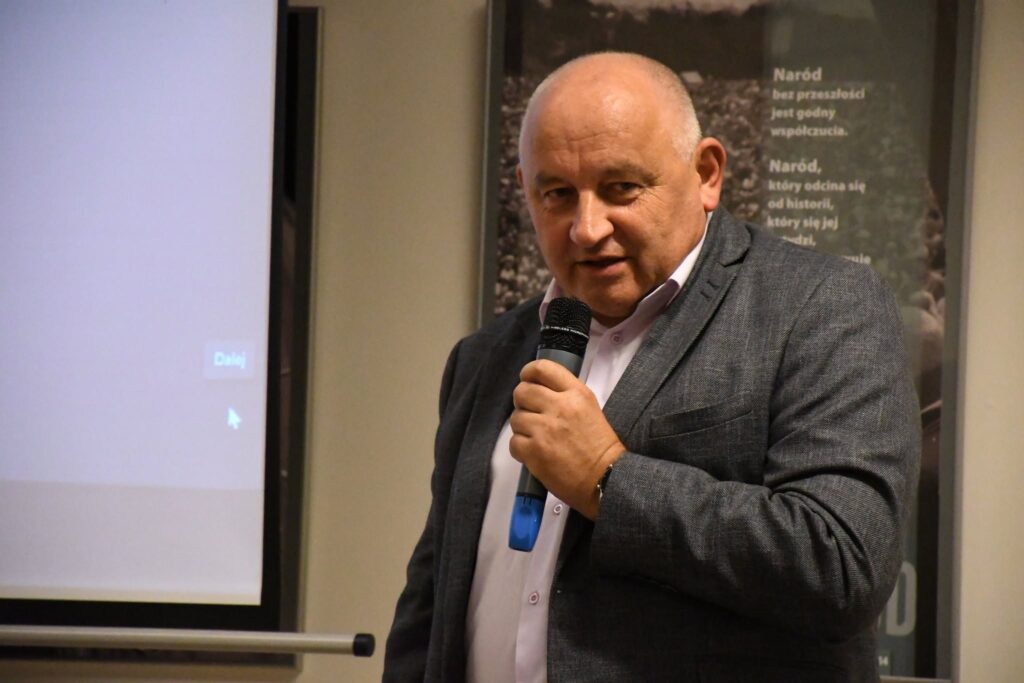
On Saturday, October 10, in cooperation with the District and Municipal Public Library in Brzesko, we organized a promotional event for the book “Szkoła – miejsce spotkania. Brzesko i region przed 1939 rokiem” (“School as a Meeting Place. Brzesko and the Region Before 1939”), published by the “Memory and Dialogue. Common History” Association.
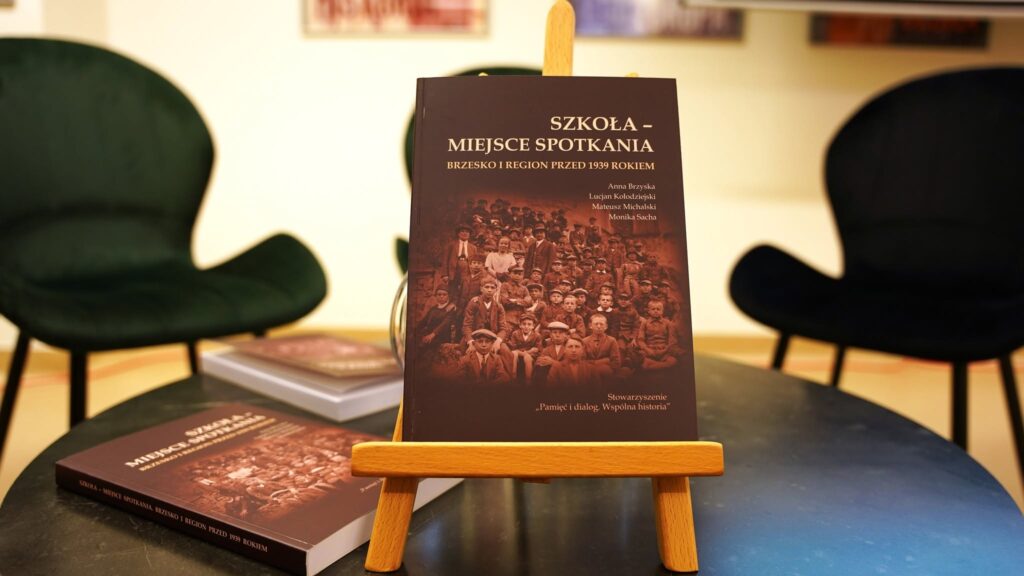
In fact, work on this book began over five years ago, when the principal of the Brzesko high school, Ryszard Ostrowski, granted access to the school archives, including the report cards of all pre-war students of the Brzesko gymnasium. That was when I began researching the fates of the Jewish students of that school. In 2024, it turned out that pre-war documents had also survived in the archives of Primary School No. 1 in Brzesko. Thanks to the kindness of the school administration, I managed to find data on 1,616 Jewish children who attended public elementary schools in Brzesko before 1939. A few months later, Marek Serwin, the principal of the primary school in Okocim, also made his school’s archives available to us.
In the autumn of 2024, an idea emerged to try and recreate – at least to some extent – the history of pre-war schools in Brzesko and the surrounding region, where Catholic and Jewish children studied side by side. We formed a team with Monika Sacha and Mateusz Michalski from the Brzesko library, who specialize in documenting the region’s cultural heritage, and Lucjan Kołodziejski, a historian from Borzęcin. This also marked the beginning of a series of meetings attended by senior residents of Brzesko.
As a result of this research, an exhibition titled “Szkoła – miejsce spotkania” (“School as a meeting place”) was prepared in September 2025 and remained on display for two months at the Regional Cultural and Library Center in Brzesko. However, the collected material was too vast to fit within the confines of a small exhibition. Consequently, we decided to prepare a publication that includes, among other things, basic data on over 1,800 pre-war Jewish students from schools in Brzesko, Borzęcin, and Okocim.
The book portrays the pre-war schools of Brzesko – where the percentage of Jewish students remained significant – as well as those of two smaller centers, Borzęcin and Okocim – where only a few Jewish children attended school each year – as spaces where different traditions met. These were places where children representing diverse cultures, who often did not initially share a common language (as Yiddish was the mother tongue for most Jewish students), gained not only formal knowledge but also learned to coexist in a multicultural society.
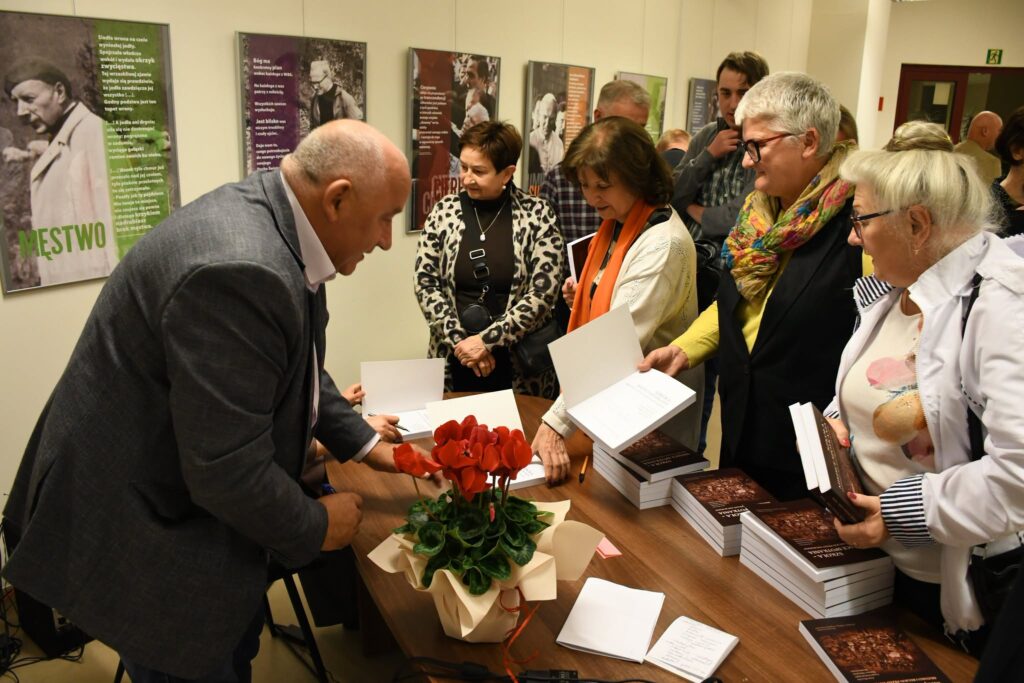
The event drew a large crowd of people, who had the opportunity to listen to presentations by the authors, receive a free copy of the book, get commemorative inscriptions, and talk about local history. It was a time filled with deep emotion and many important conversations.
I already know that even though the book has been published, the research work will continue.
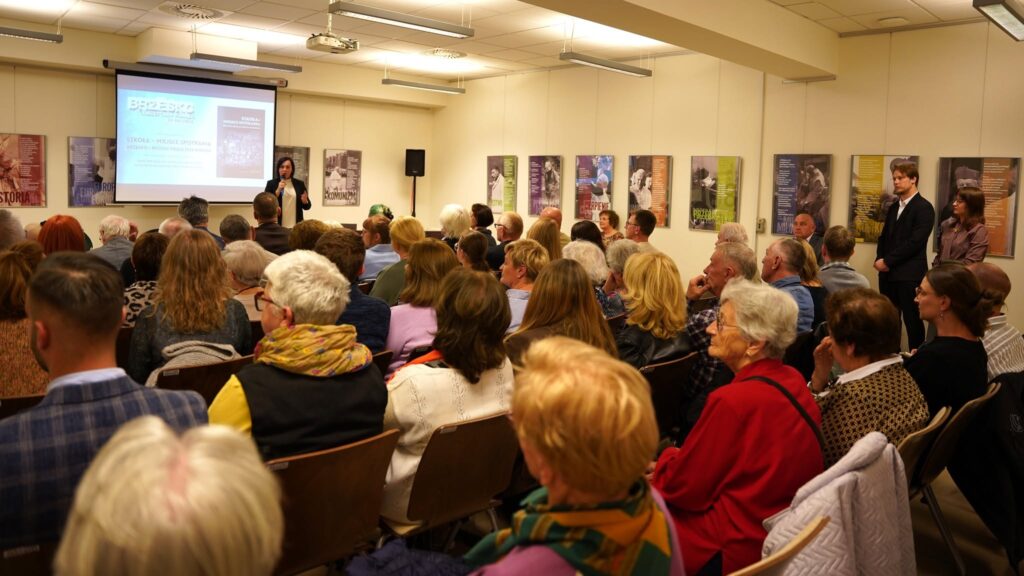
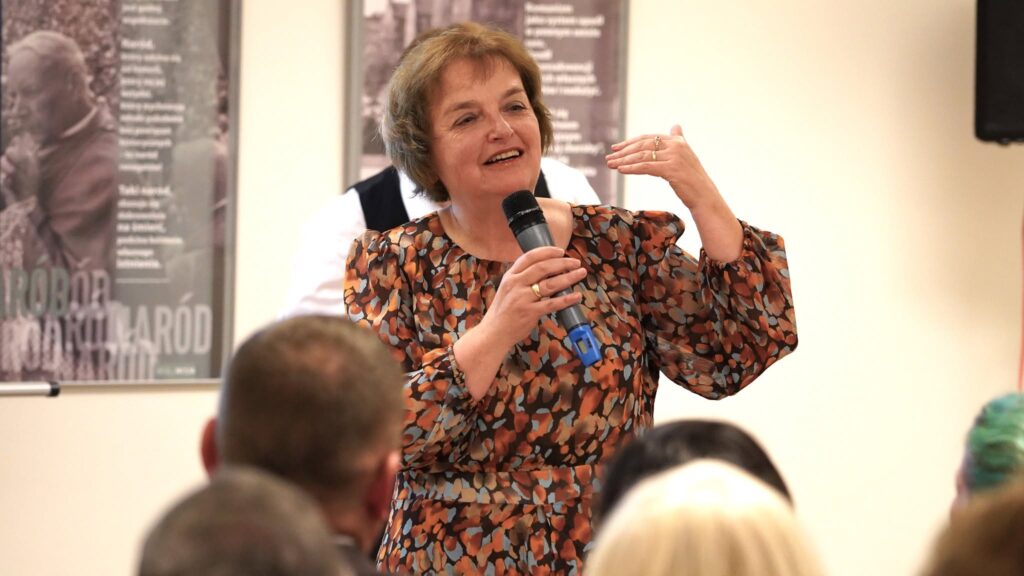
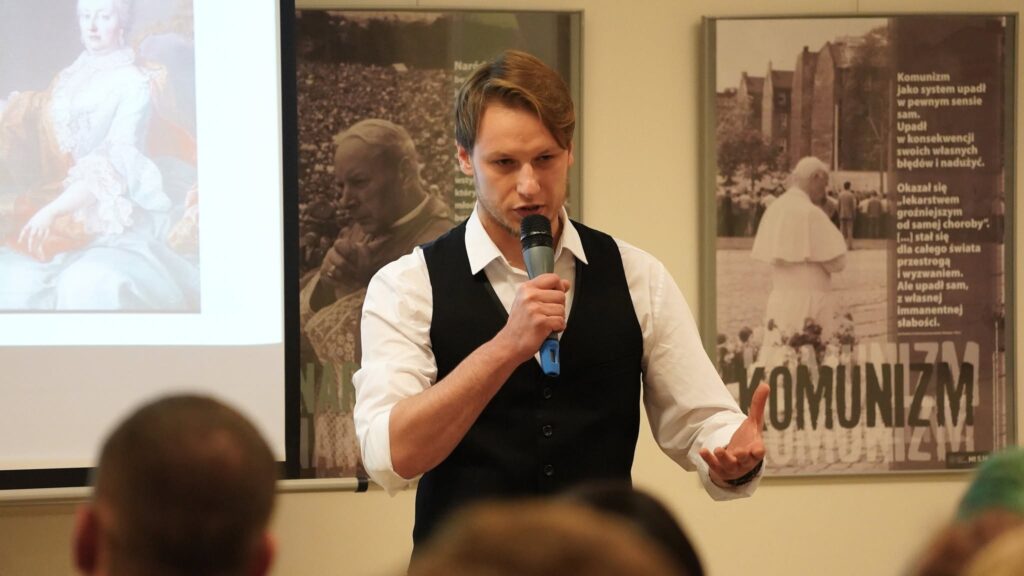
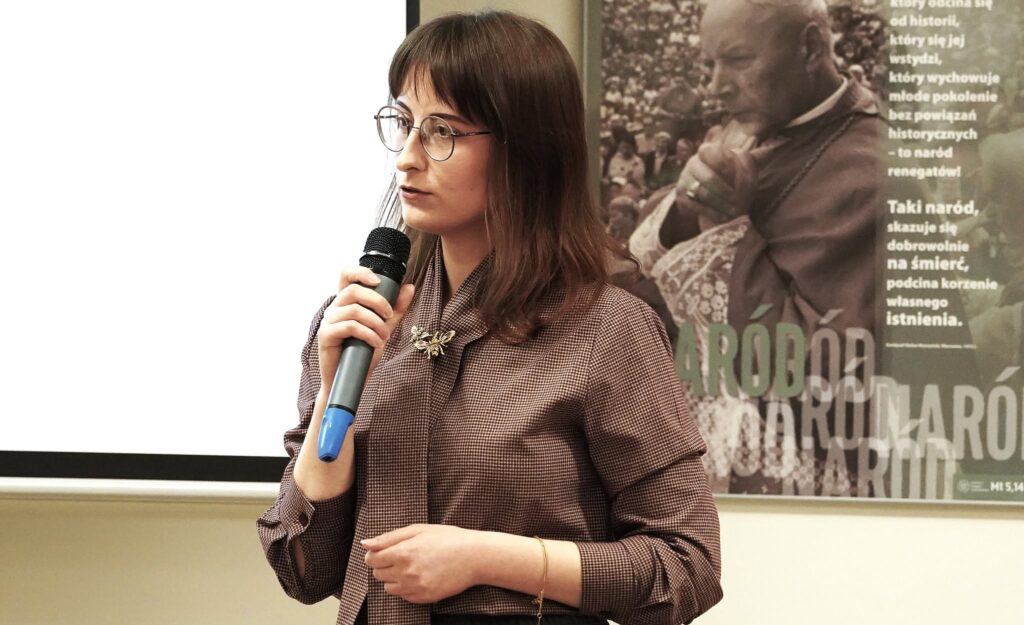
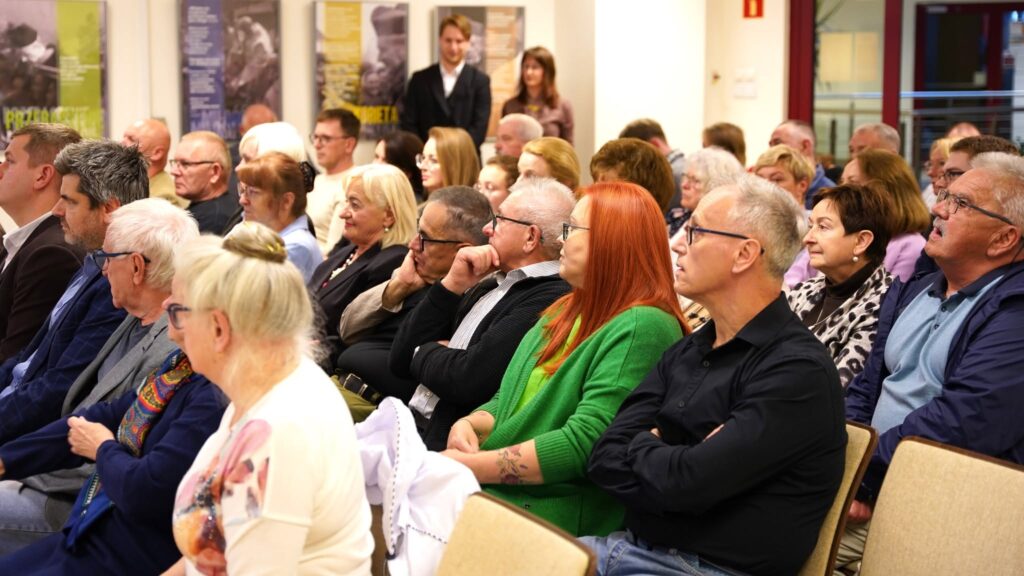
The book is written in Polish, but has got an English summary. Copies of the book can still be collected at the District and Municipal Public Library in Brzesko (Brzesko, Plac Targowy, 10) or obtained in PDF format by sending a request to info@brzesko-briegel.pl
On Sunday, October 11, we gathered for the March of Remembrance to honour the memory of the Jewish residents of Brzesko and vicinity who were murdered 84 years ago.
We live in difficult times. Today’s uncertainties, evil, and wars often deeply affect how we perceive the world, including events like the March of Remembrance. I cannot express this any better than Ryszard Ostrowski, the principal of the Brzesko high school. I highly encourage you to read the full text of his speech.
https://brzesko-briegel.pl/wp-content/uploads/2026/10/Przemówienie-Ryszarda-Ostrowskiego-ENG.docx
Here, I will only say that especially when there is so much evil around us, it is vital to do something good wherever we can and to pass these values on to the youth. Remembering the murdered residents of the town – two-thirds of the pre-war community of Brzesko! -definitely belongs among these important and good things.
As every year, the residents of Brzesko, school youth, invited guests, and descendants of Brzesko Jews gathered at Kazimierz Wielki Square. They were welcomed by the Deputy Mayor of Brzesko, Grzegorz Brach, who emphasized the importance of a shared memory of the past.
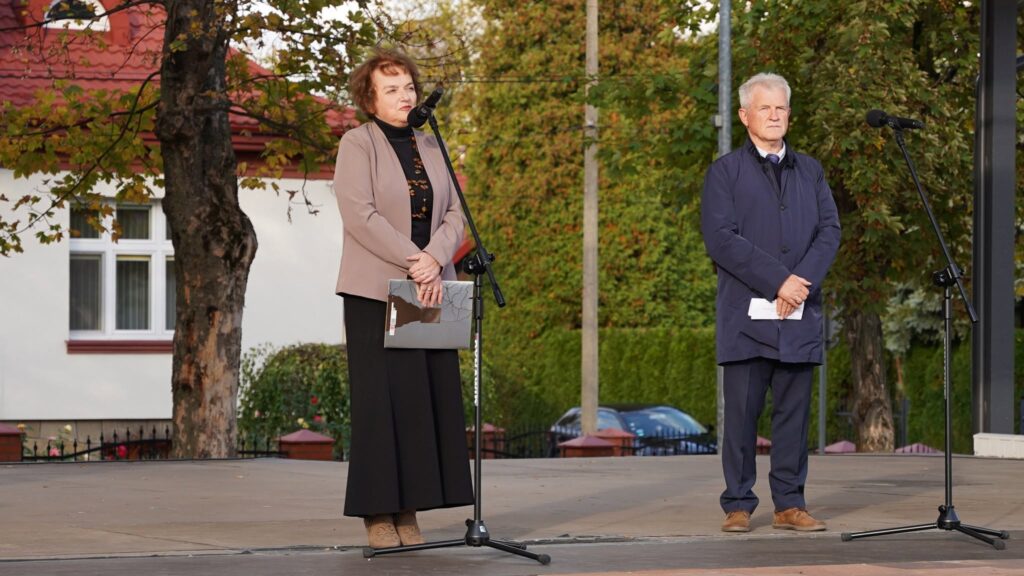
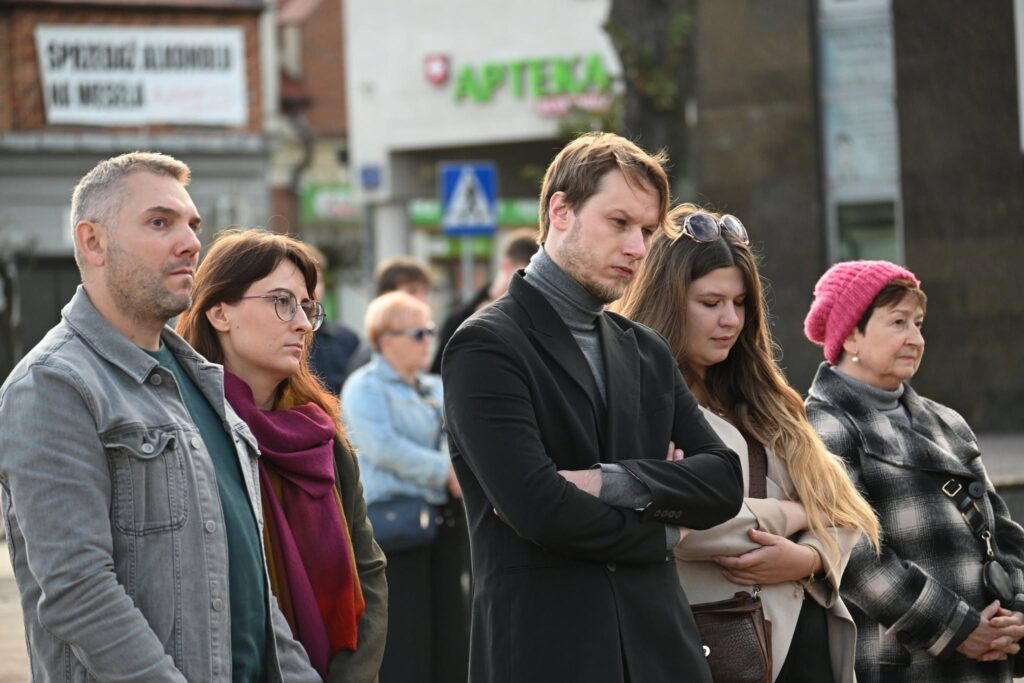
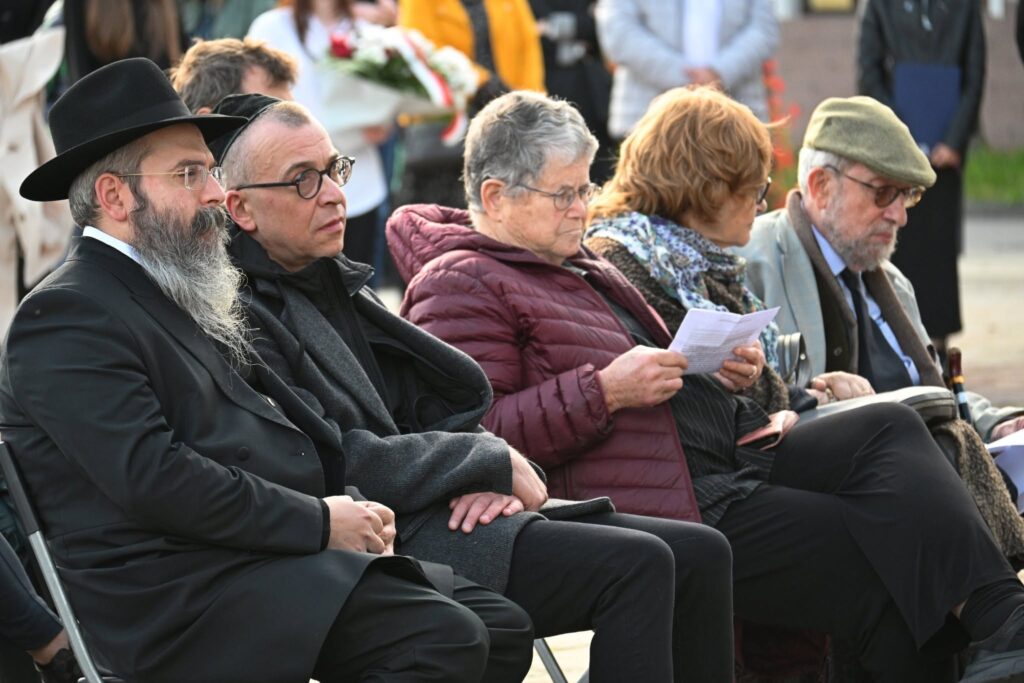
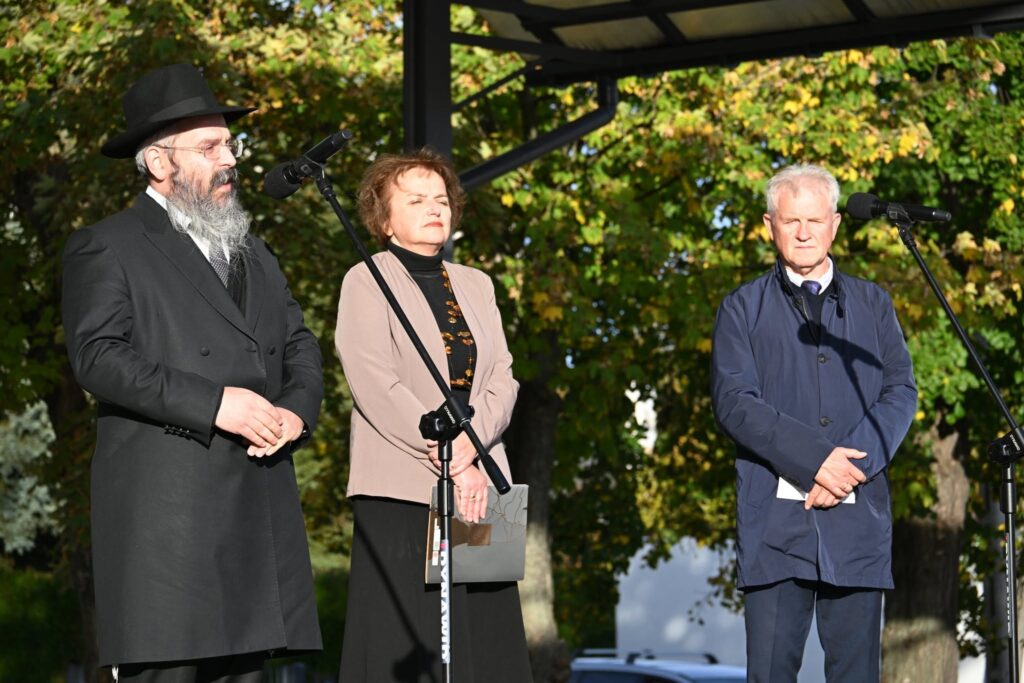
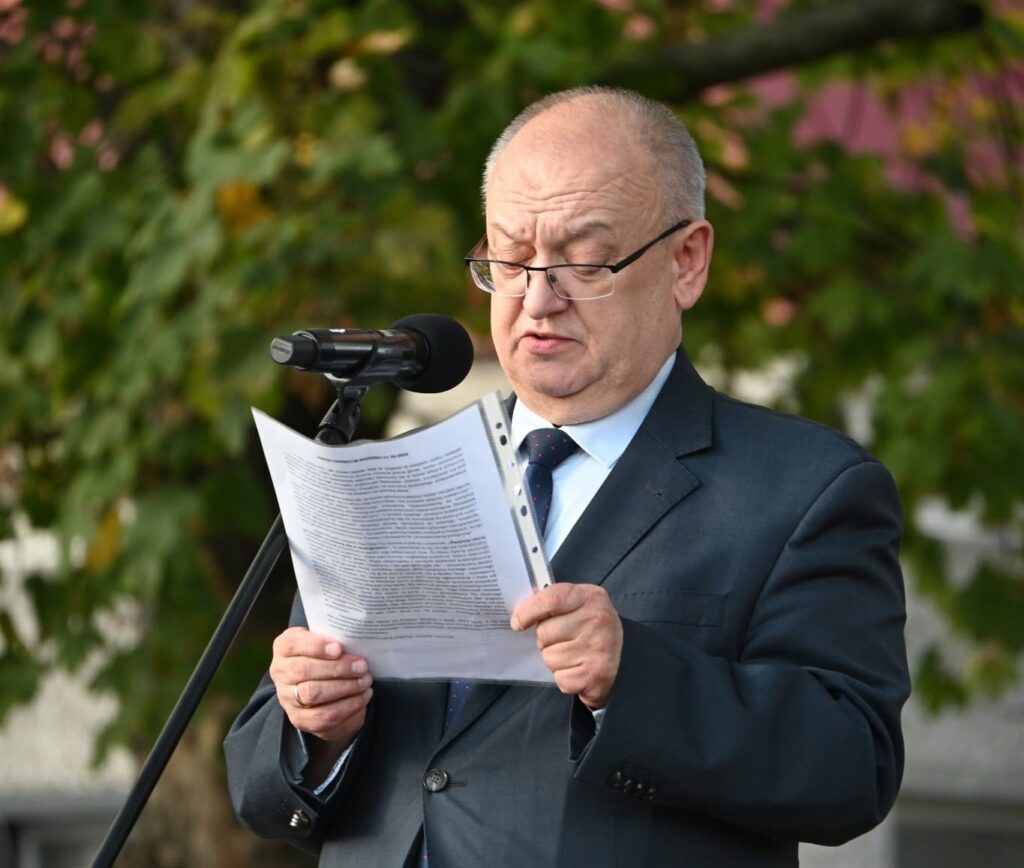
Rabbi Eliezer Gurary and high school principal Ryszard Ostrowski also addressed the participants of the March of Remembrance.
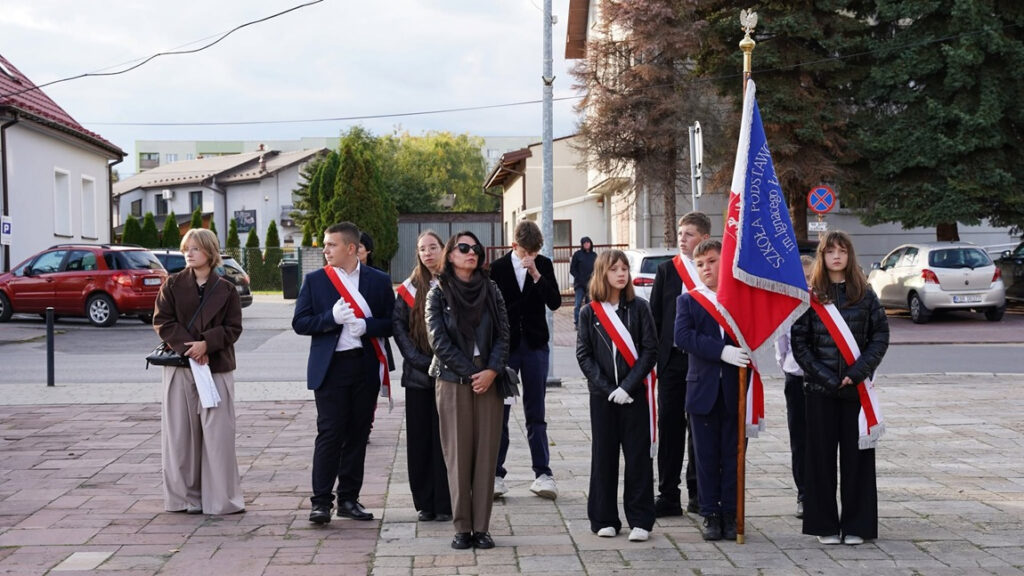
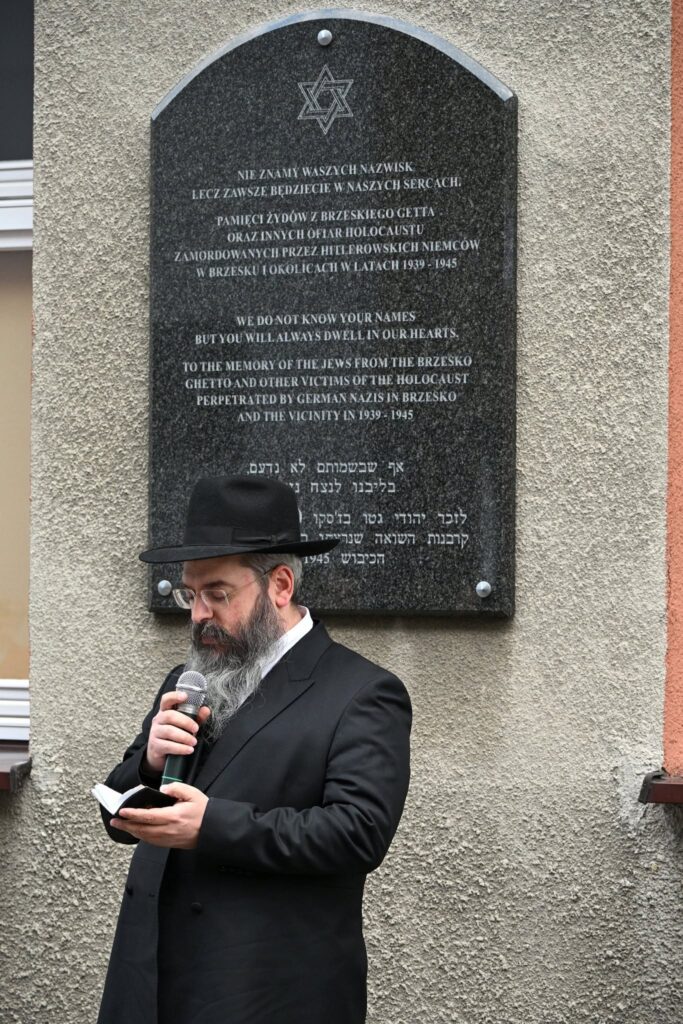
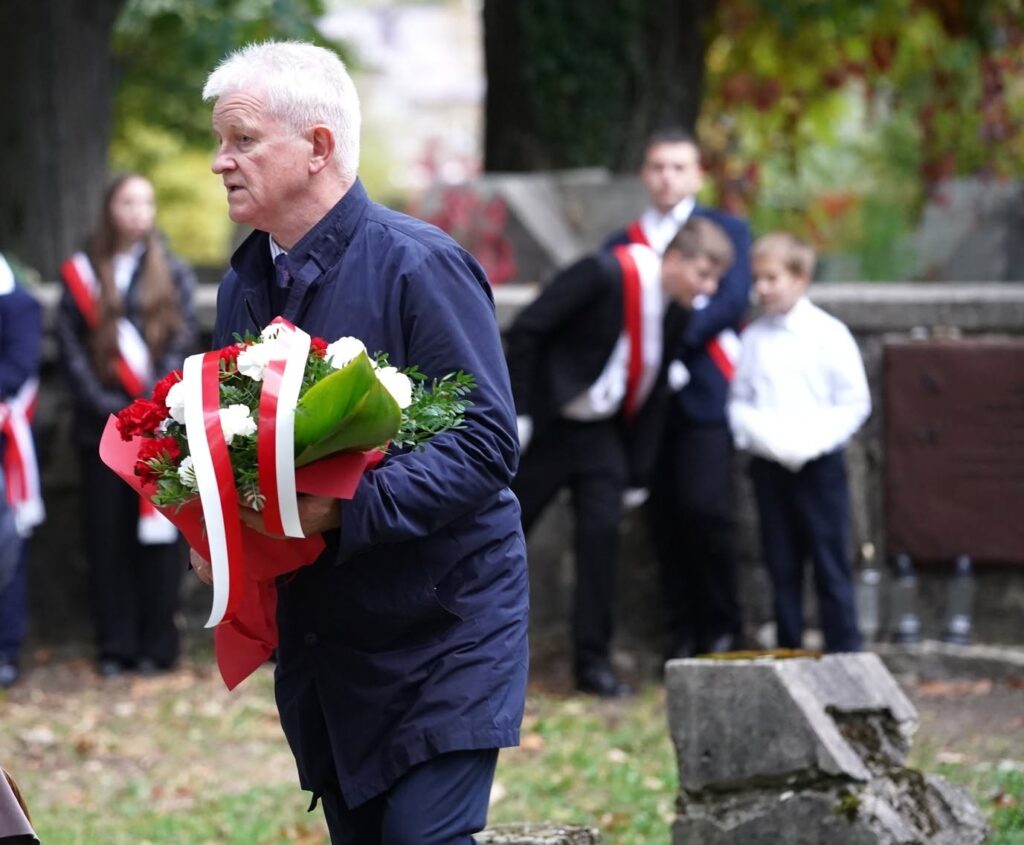
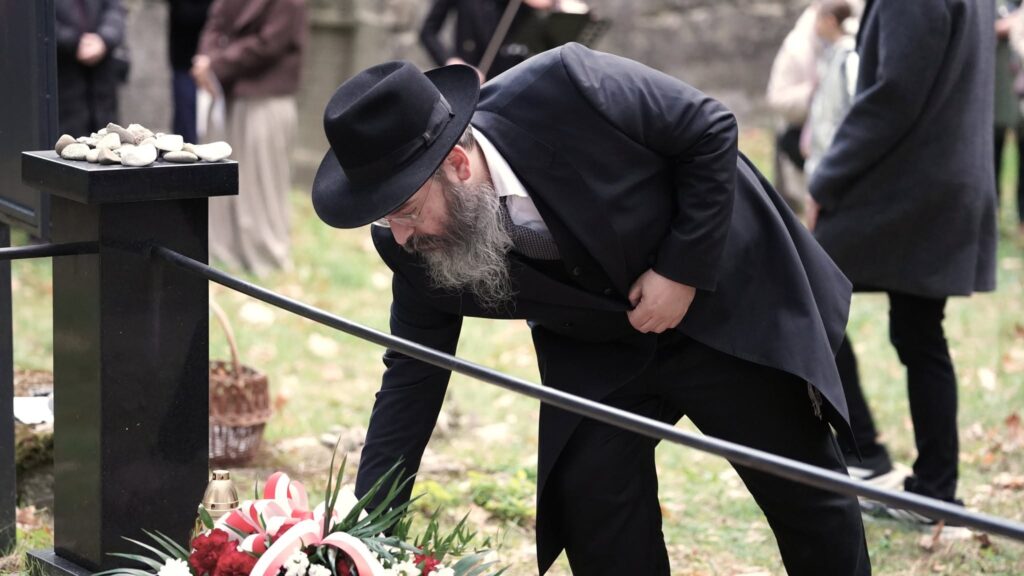
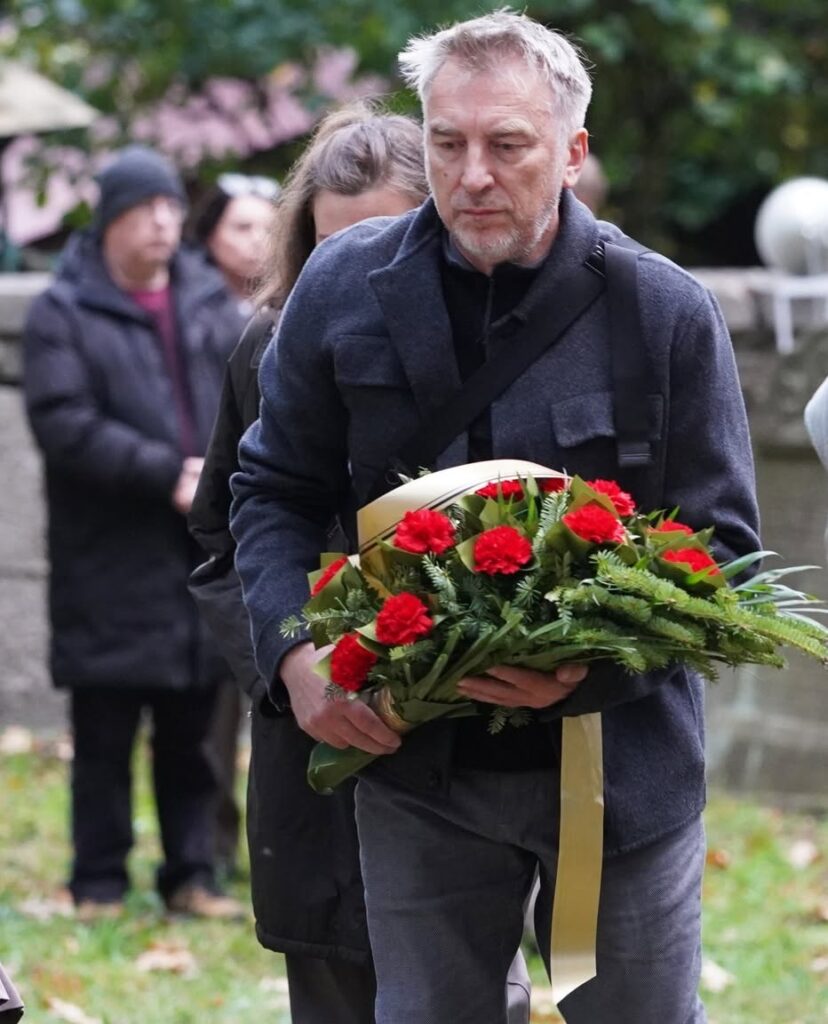
From Kazimierz Wielki Square – Brzesko’s Umschlagplatz, from where Jews were deported to the Bełżec death camp in the autumn of 1942 – the participants walked to the synagogue building on Puszkina Street. Rabbi Gurary recited a prayer for the deceased, and floral tributes and memorial candles were placed there as a sign of remembrance.
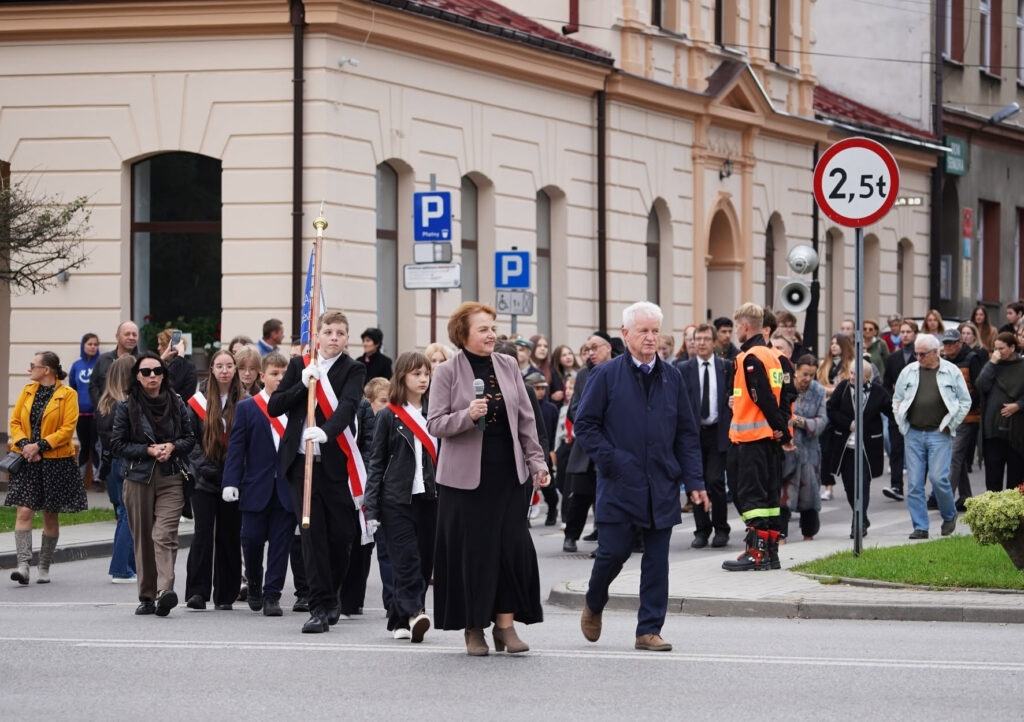
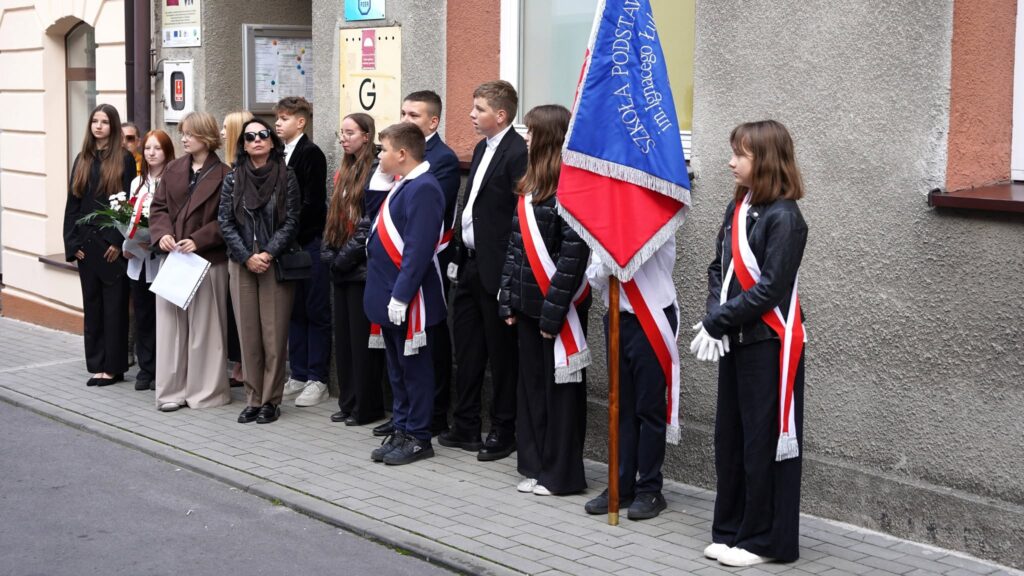
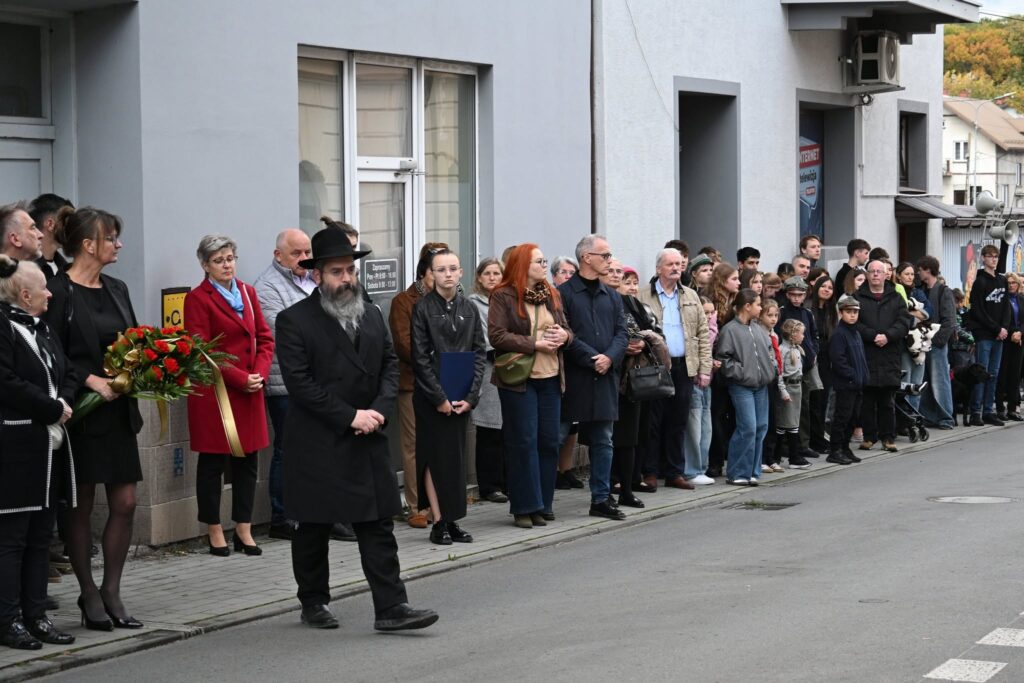
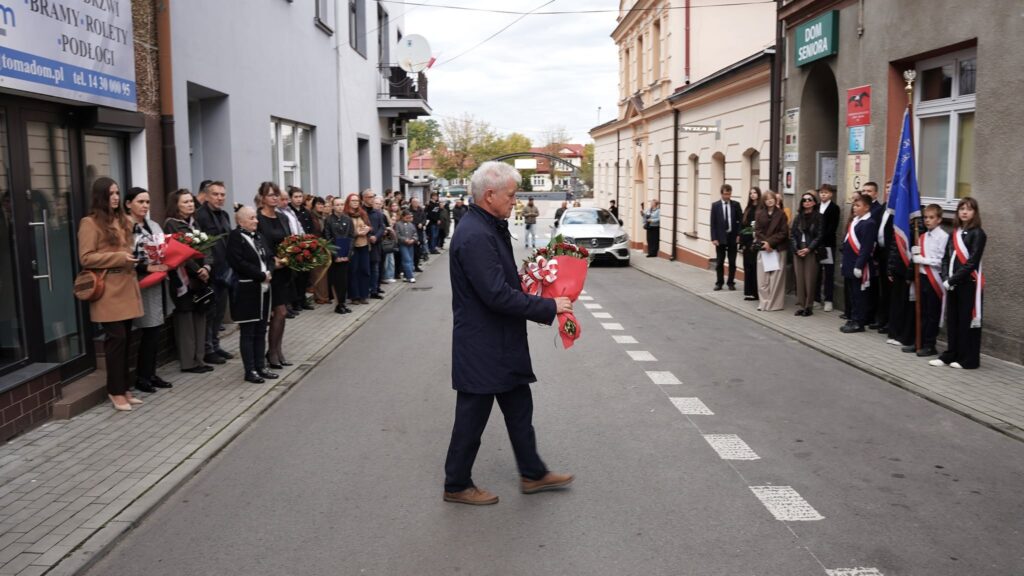
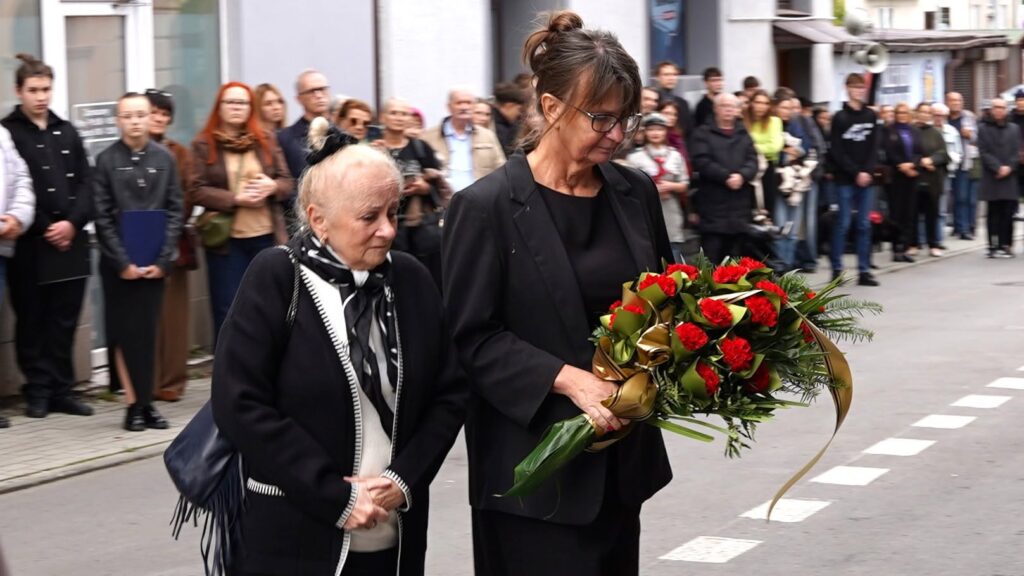
Next, everyone walked toward the Jewish cemetery on Czarnowiejska Street, where we paid tribute to the victims of the Holocaust. The March of Remembrance was accompanied by the color guard from Primary School No. 2.
Once again, Jewish prayers resounded, and descendants of Brzesko Jews read out the names of their murdered relatives.
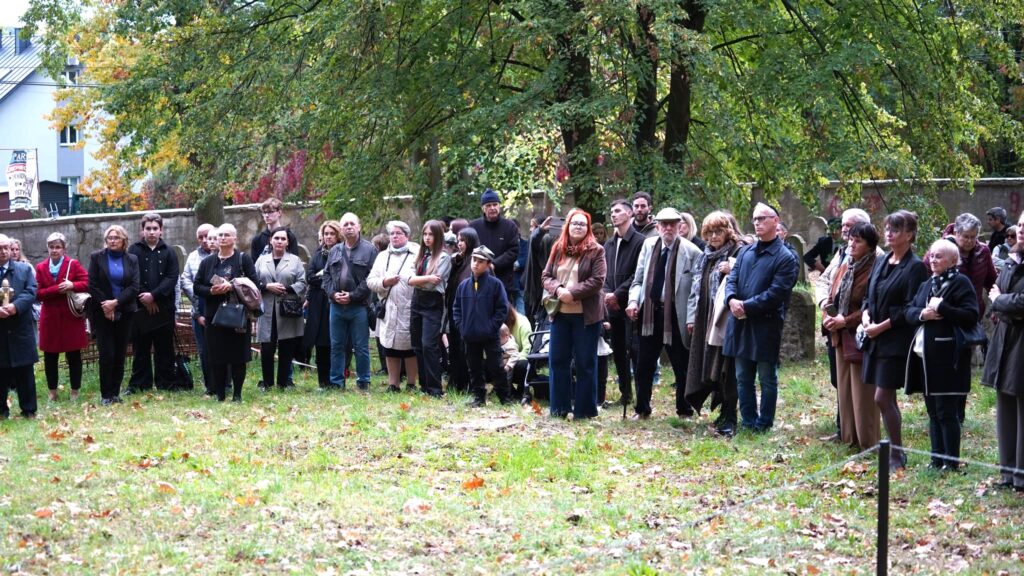
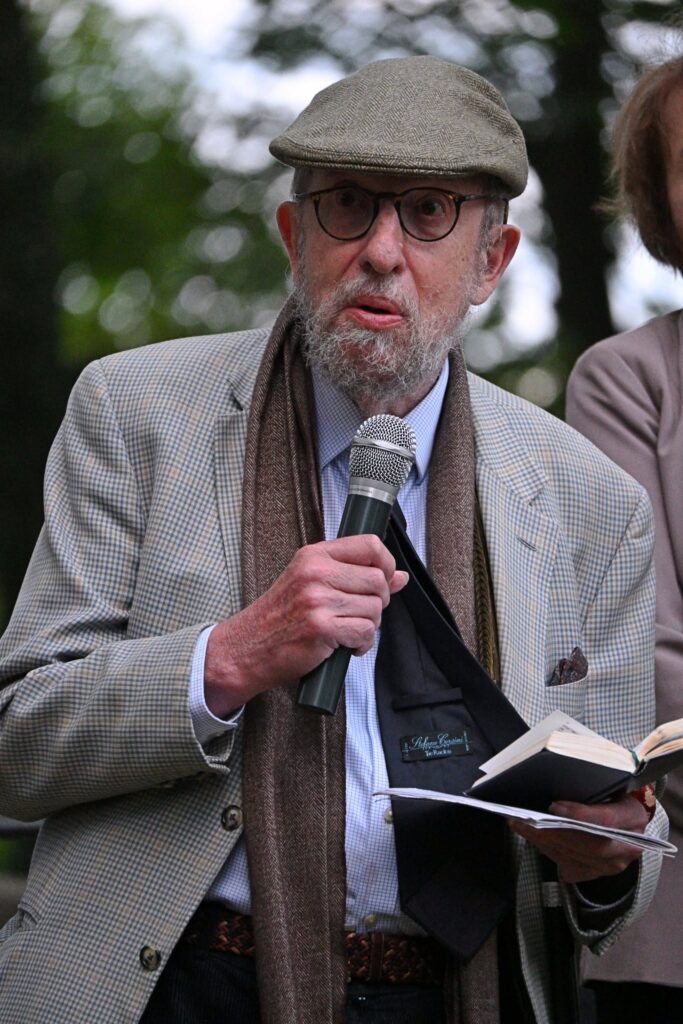
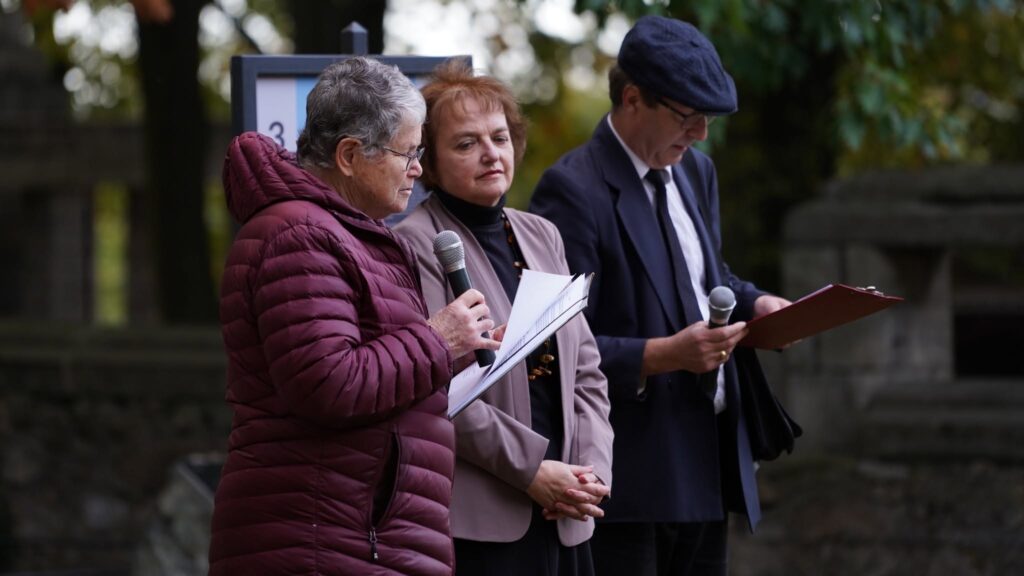
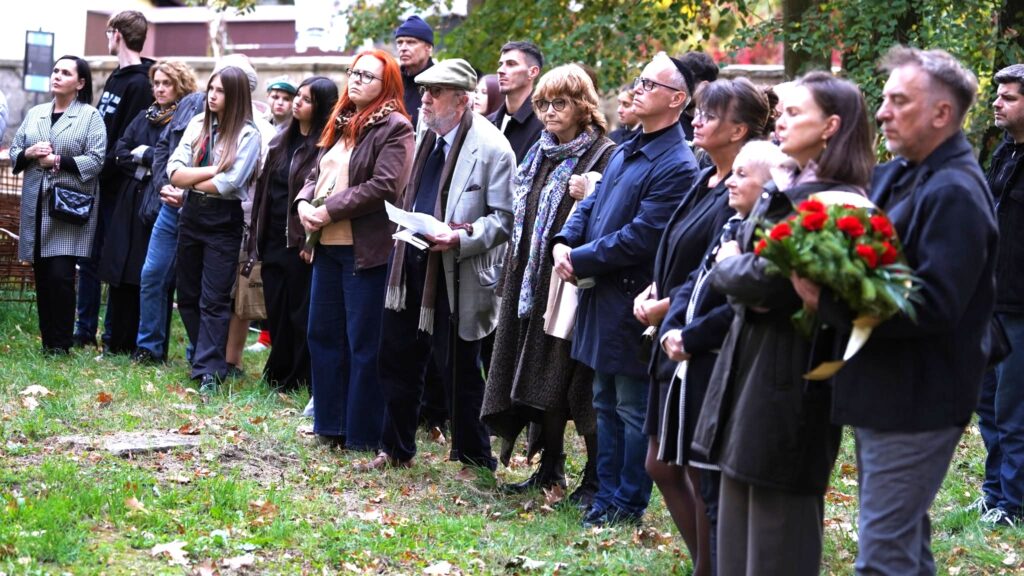
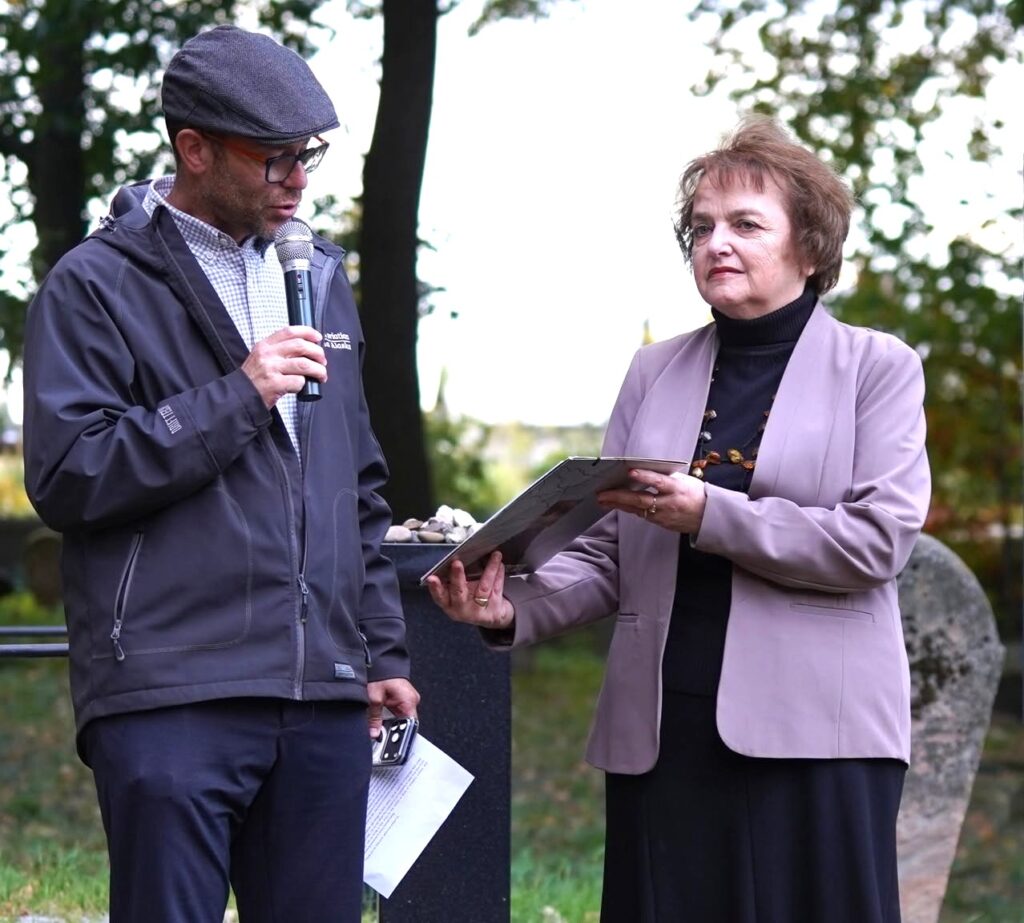
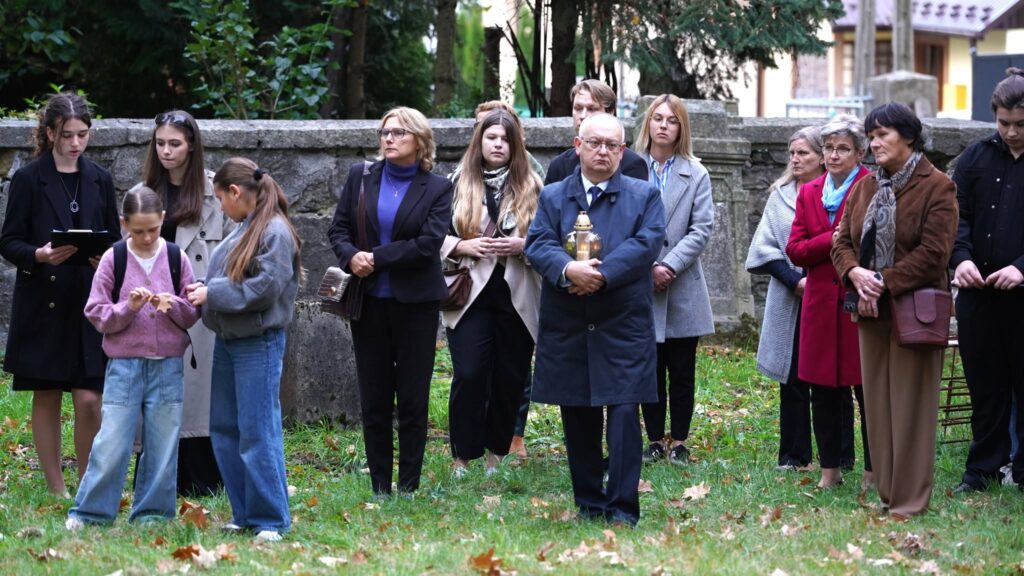
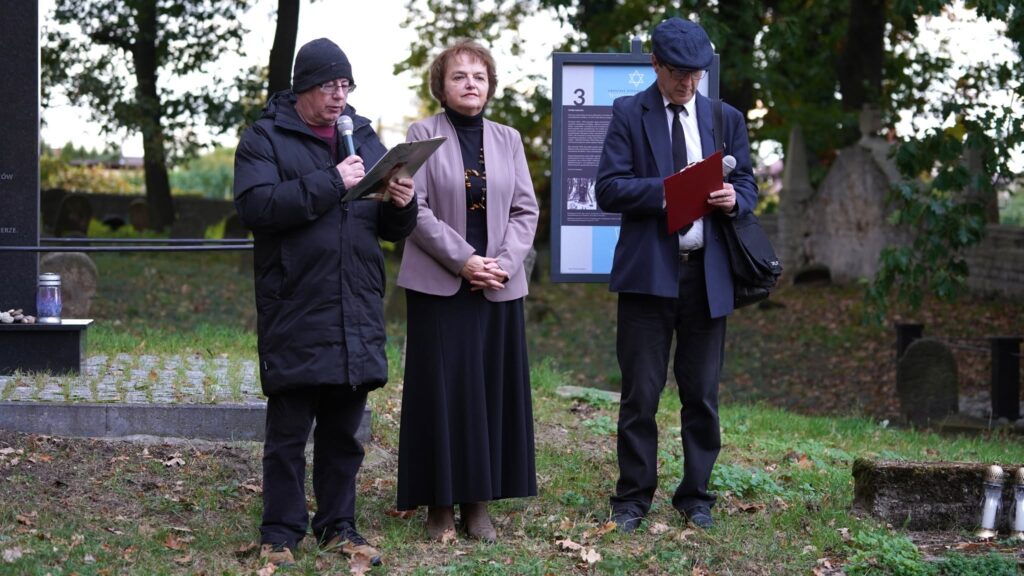
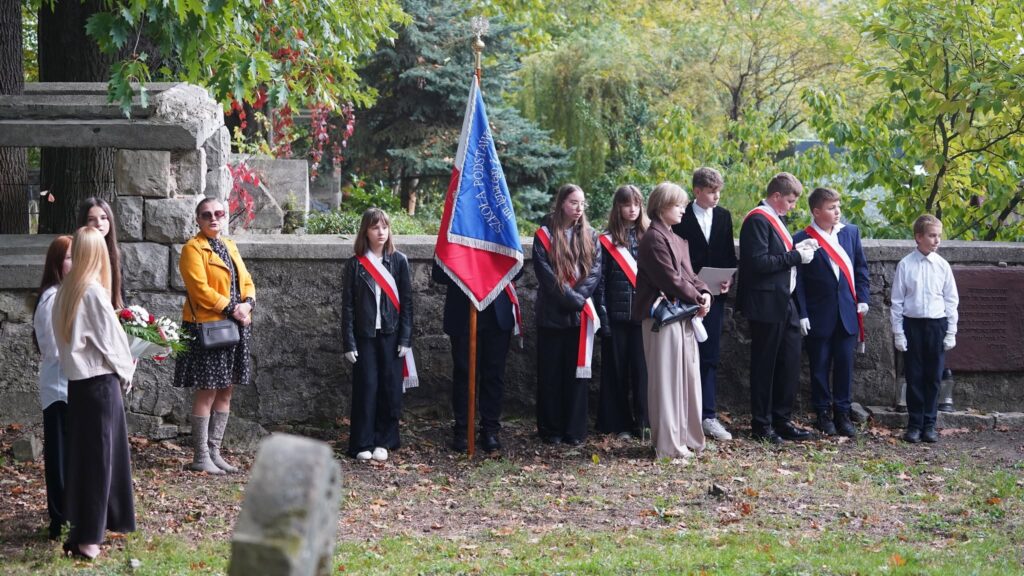
This year’s March of Remembrance was particularly dedicated to the over 1,800 Jewish students who attended schools in Brzesko and the region. We were all deeply moved listening to the names of the murdered Jews being read out by current students from the schools in Brzesko, Borzęcin, and Okocim – schools where both Catholic and Jewish children had studied together before the war.
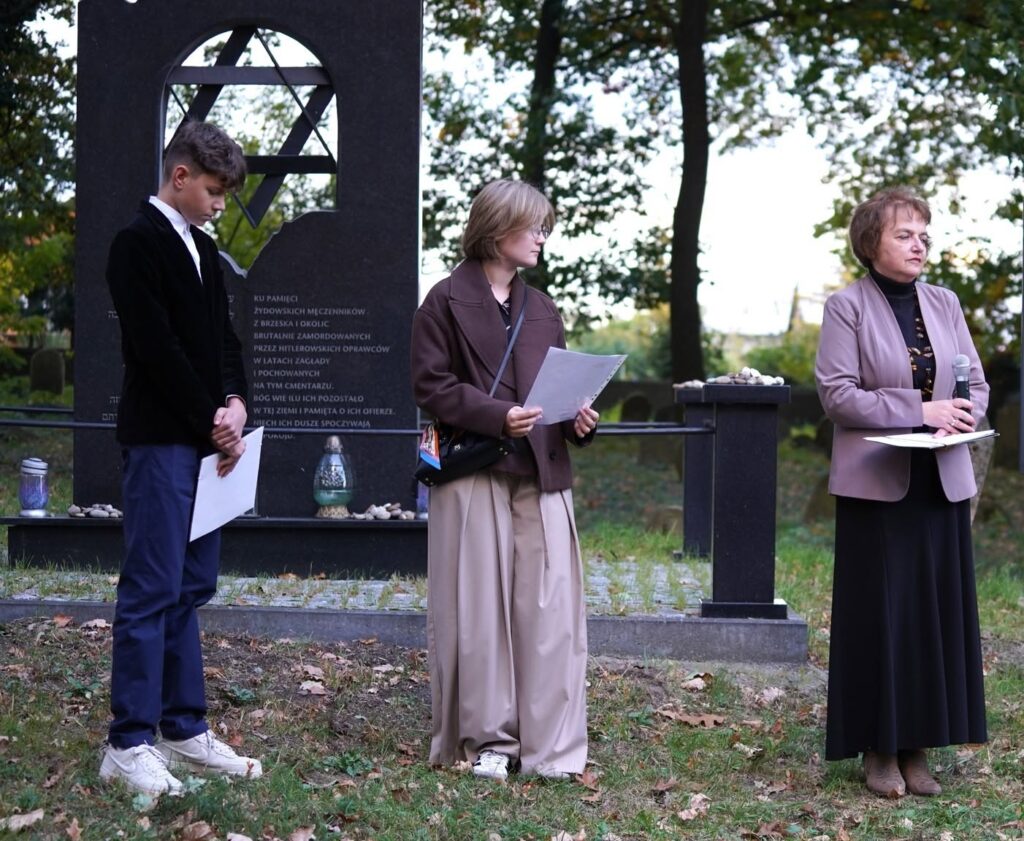
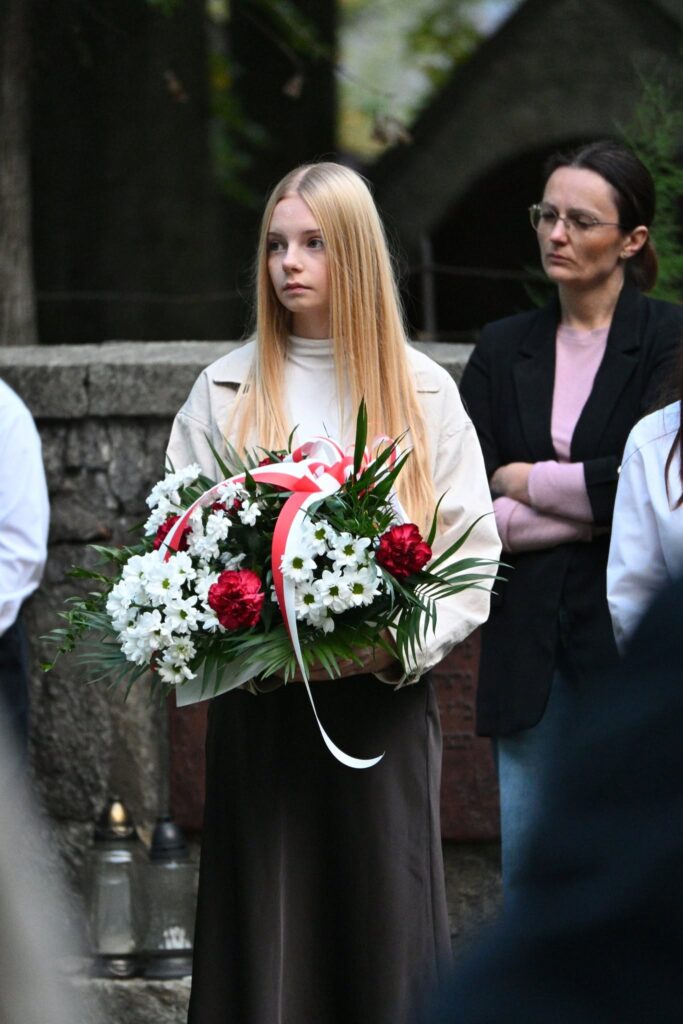
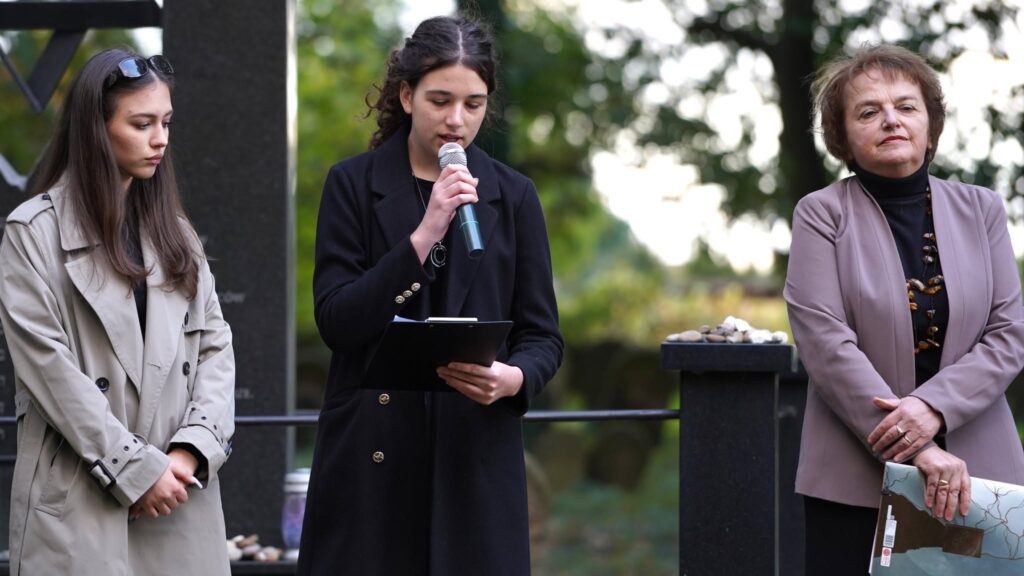
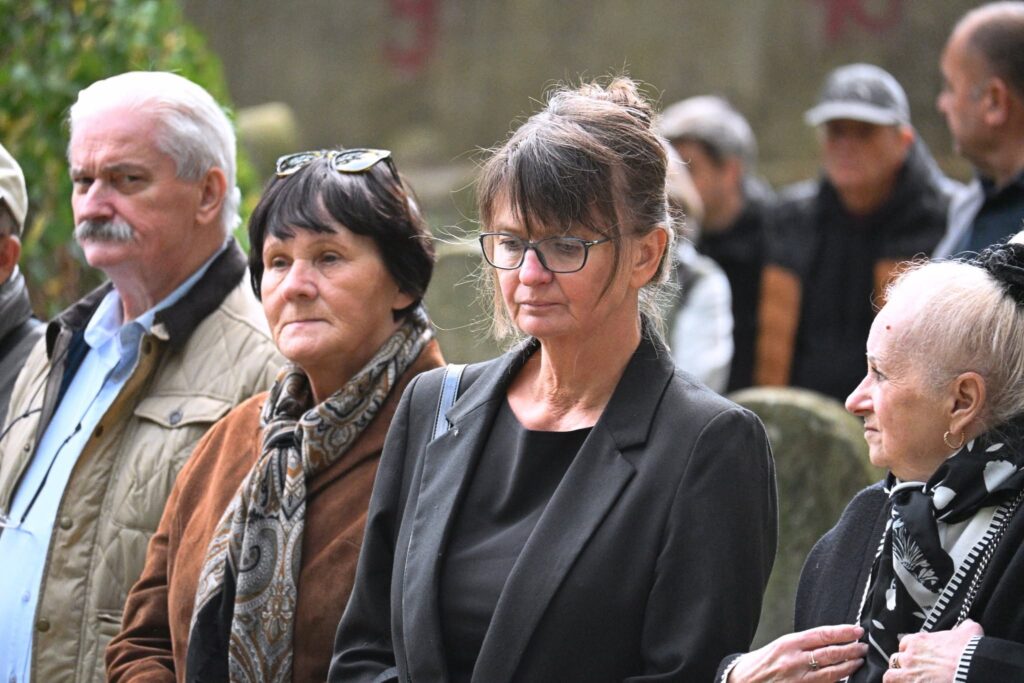
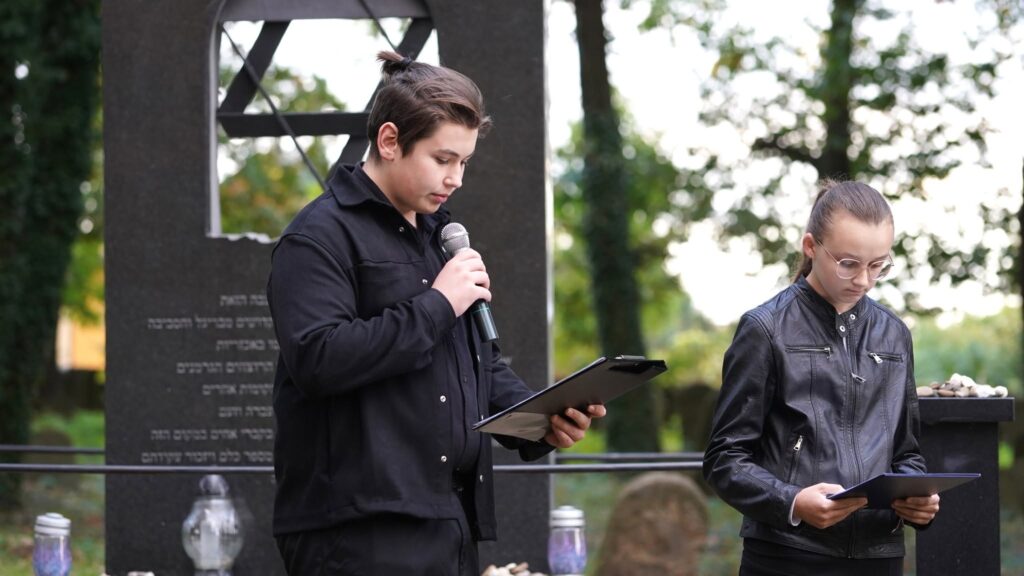
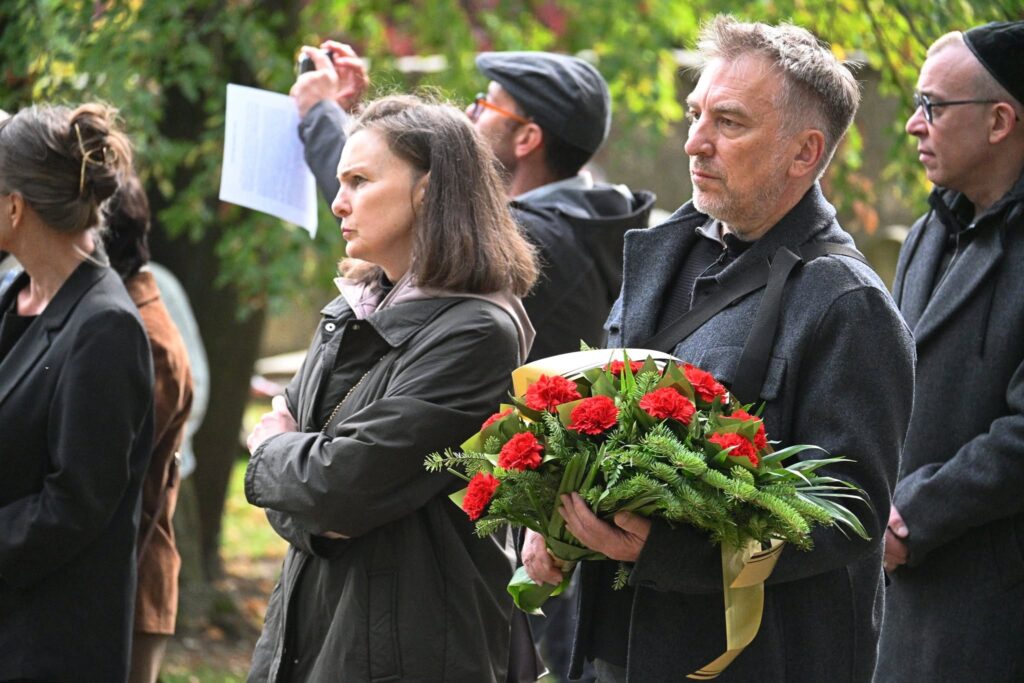
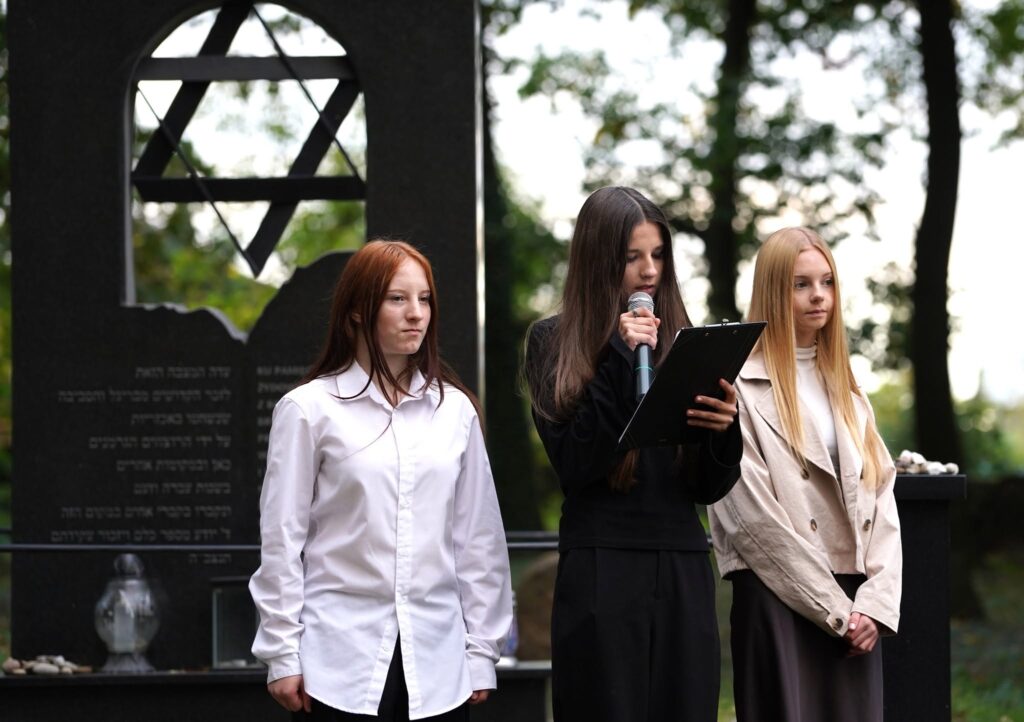
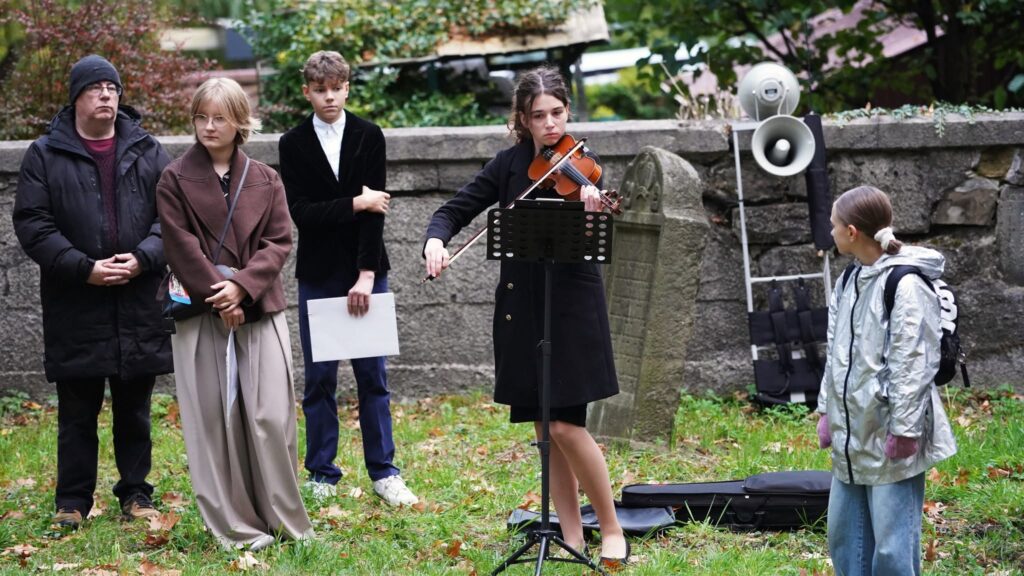
At the end of the ceremony, which was accompanied by beautiful melodies performed by violinist Sonia Węgrzyn, everyone had the opportunity to place stones at the mass graves of the Brzesko Jews murdered 84 years ago.
It is impossible to list all the organizations and individuals who contributed to the organization of this year’s events commemorating the pre-war Jewish community of Brzesko and the region, but special thanks are due to:
- Mayor of Brzesko, Mr. Tomasz Latocha, Deputy Mayor Grzegorz Brach, and Ms. Iwona Leś;
- District and Municipal Public Library in Brzesko, its director Karina Legutek, and staff members Monika Sacha and Mateusz Michalski;
- Municipal Cultural Center and its director Ewelina Stępień;
- Rabbi Eliezer Gurary and Prof. Jonathan Webber;
- principal of the Brzesko high school, Ryszard Ostrowski;
- students of Primary School No. 2 in Brzesko, Brzesko high school, and primary schools in Okocim and Borzęcin Górny, who read the names of the murdered Jewish students from their schools;
- scouts and the color guard from Primary School No. 2;
- descendants of Brzesko Jews, Dina Feldman and Anshel Pfeffer, and the researcher John Paul Leavey;
- violinist Sonia Węgrzyn;
- Mr. Janusz Mytkowicz, who made his sketches from the Bejt Olam – House of Eternity series available to the Brzesko museum;
- members of the “Memory and Dialogue. Common History” Association – Dorota Pstrąg, who organized the participation of so many students from her school; Bernadeta Styczeń, Anna Kudła, Zuzanna Peters-Musiał, Damian Styrna, Agnieszka Herbert-Styrna, and Bogdan Brzyski;
- Krzysztof Wasyłek for the photographs presented in this article;
- Everyone who came to express their remembrance and respect for the Jewish residents of Brzesko murdered in the Holocaust.
We remember together.
© Anna Brzyska, 2026