
In September 2025, it was already for the 11th time, that we organized events commemorating the pre-war Jewish community of Brzesko and vicinity.
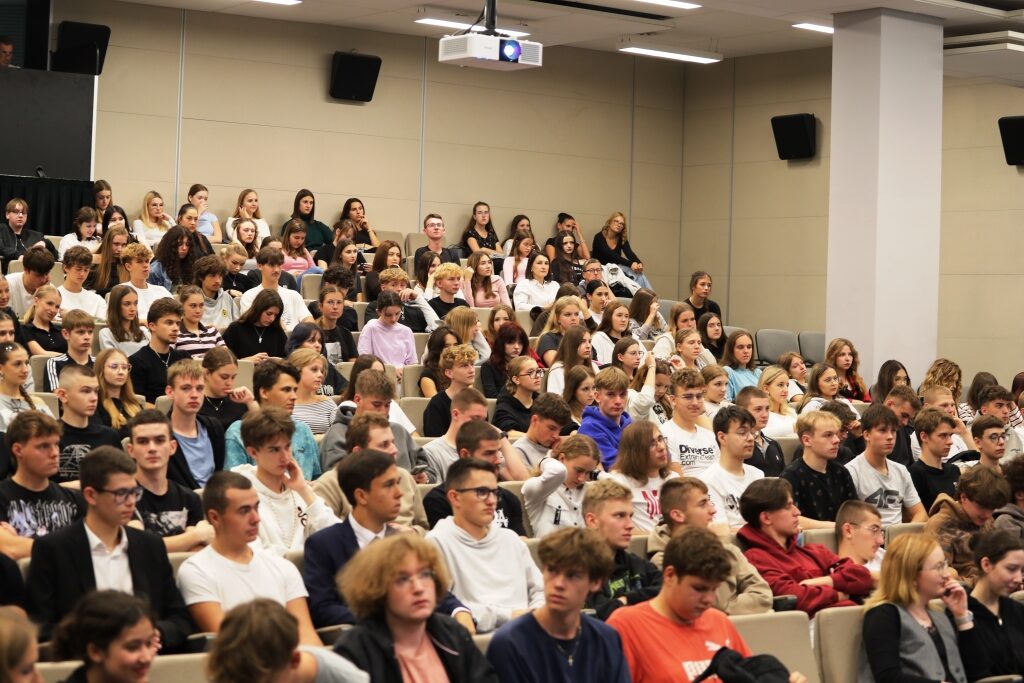
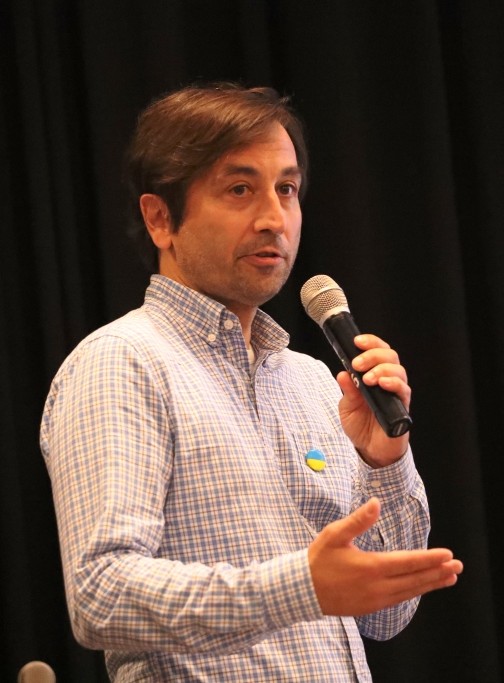
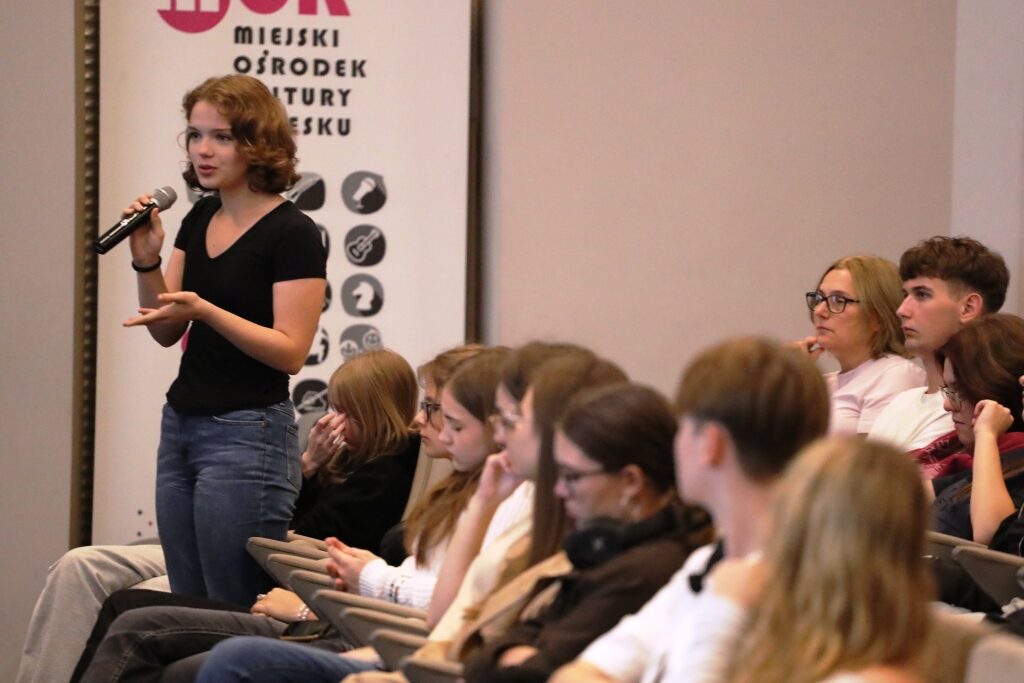
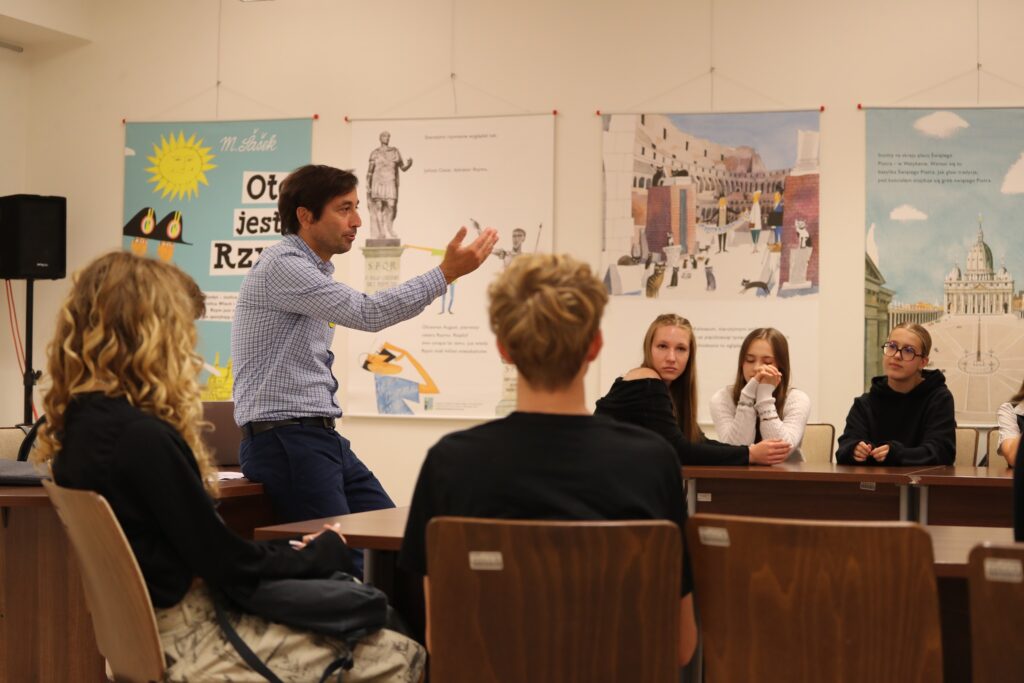
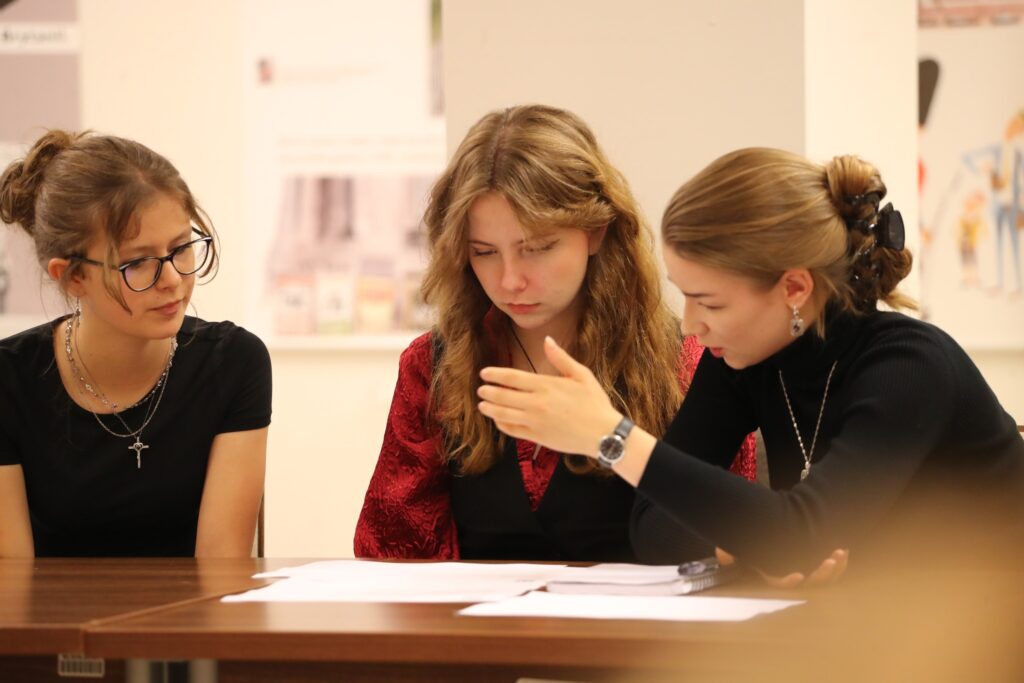
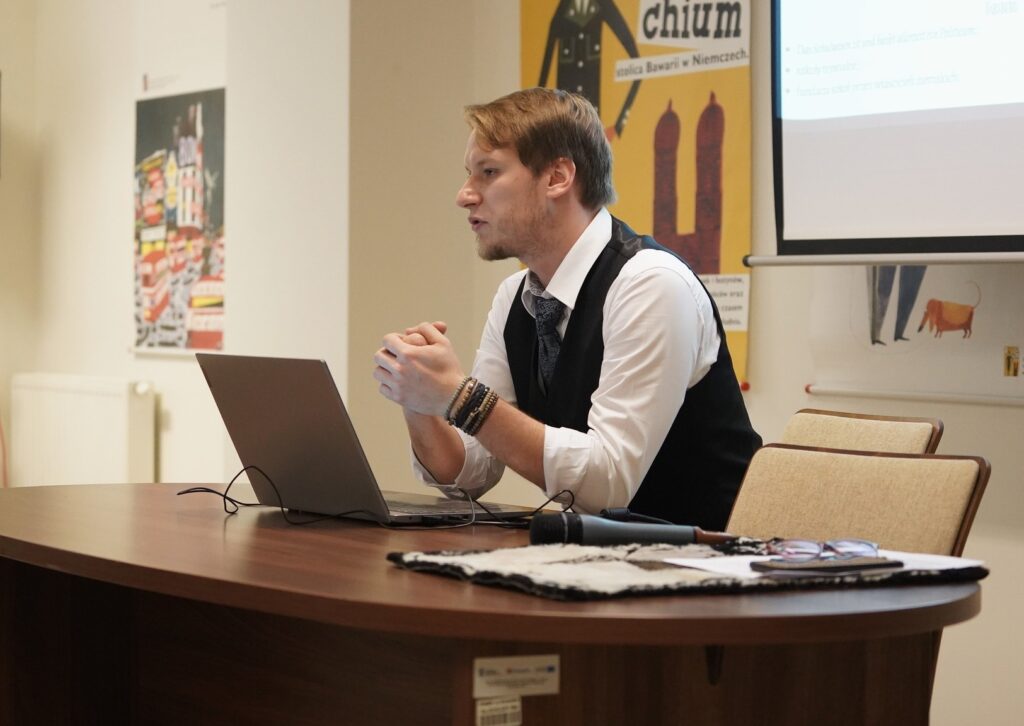
The lecture and subsequent discussion, in which students actively participated, were filled with challenging questions. The young people had the opportunity to reflect on the necessity to remember about the Shoah, to think about national identity, their own attitudes toward otherness, and discuss the meaning of patriotism. Thanks are due to Mr. Musiał and Brzesko youth – over 120 students took part in the lecture.
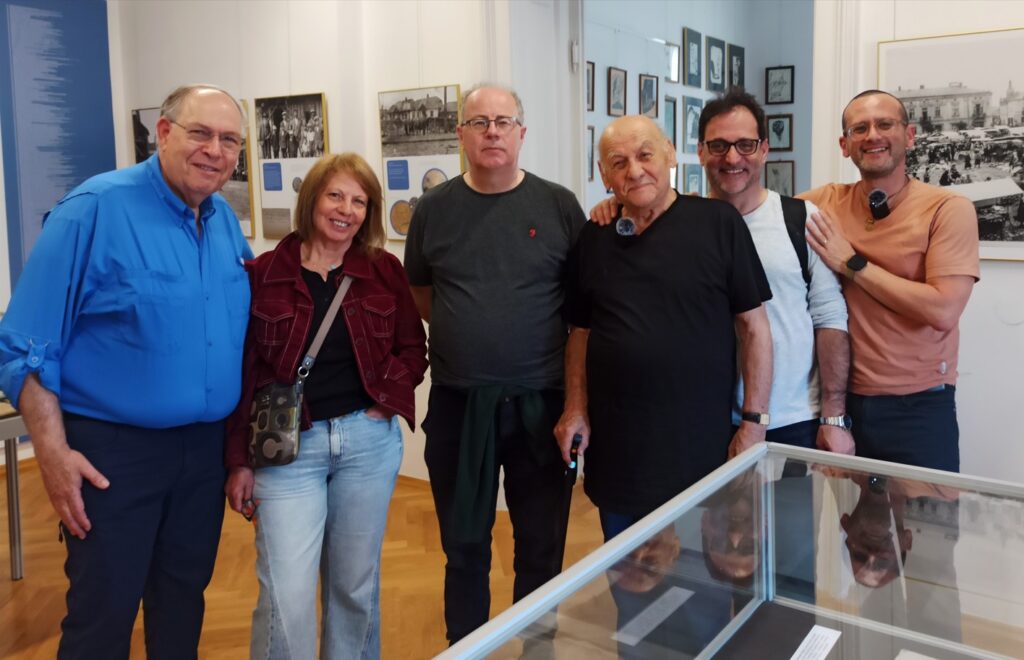
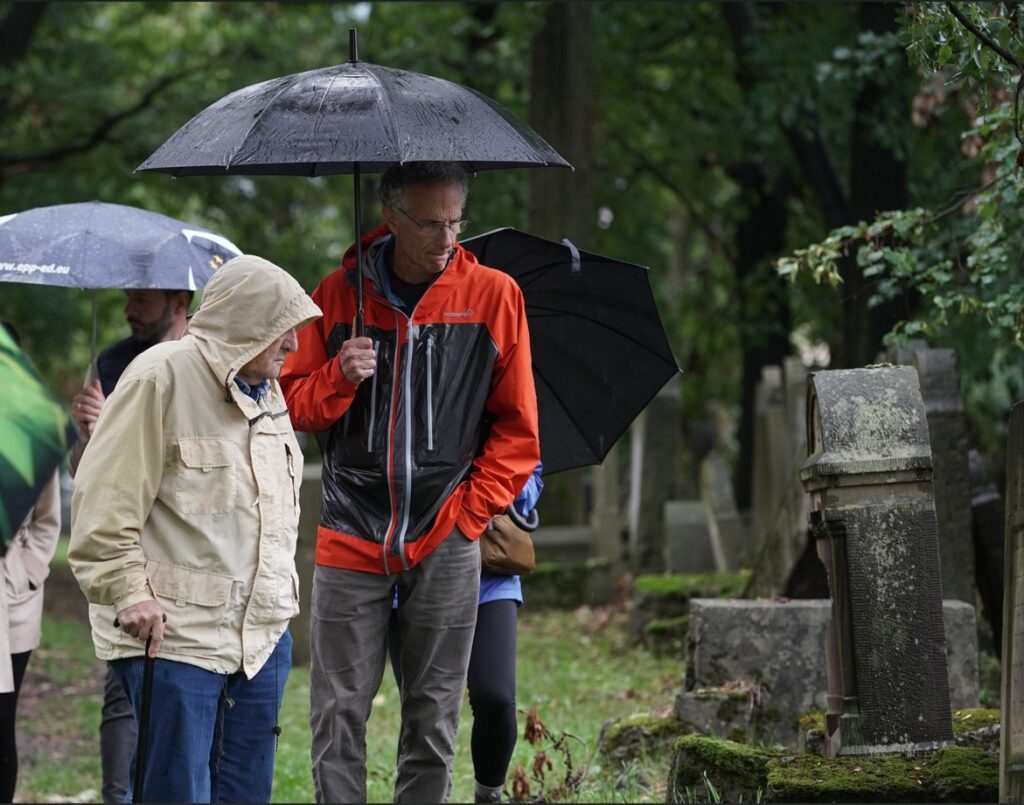
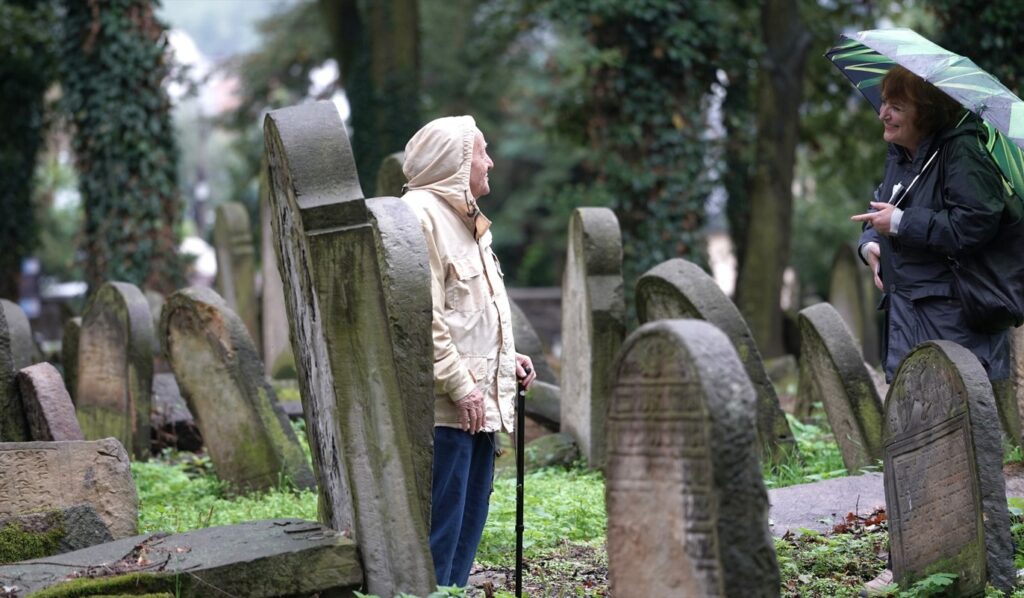
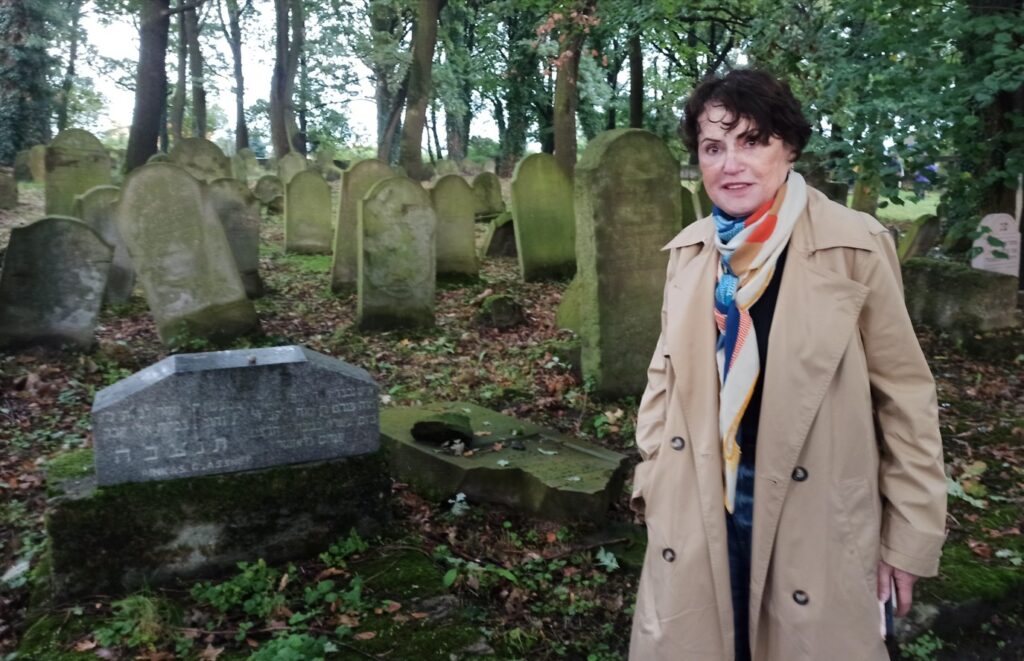
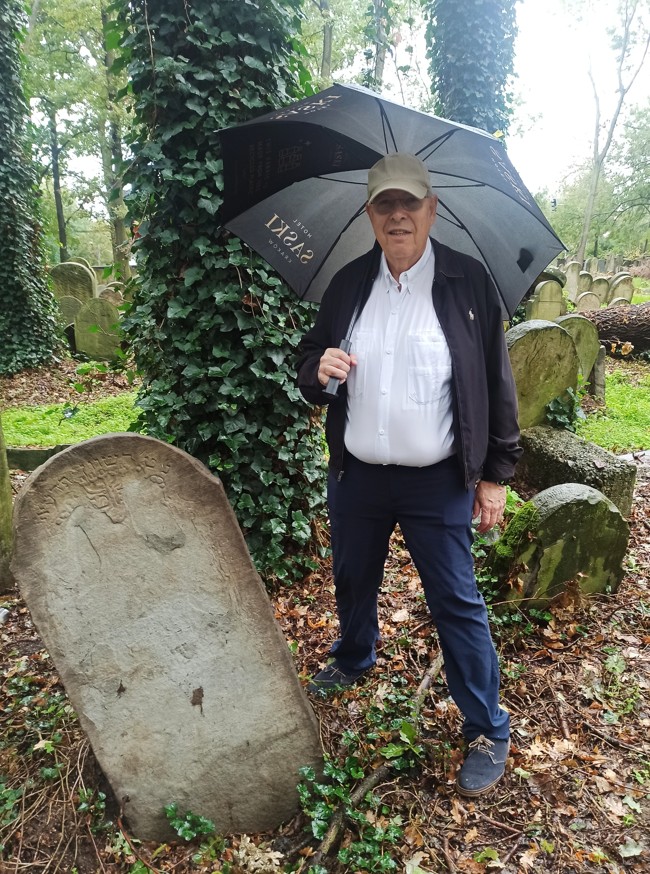
This year, we welcomed in Brzesko the descendants of 5 Jewish families: Landau, Sperber/Glassner, Becker, Vogelhut and Mingelgrin. In addition to general program, I could spend some time with these families showing them Brzesko and matzevot of their ancestors at the Jewish cemetery.
Every year we commemorate not only the Shoah, but also pre-war life of Brzesko Jews. On September 13, two events took place.
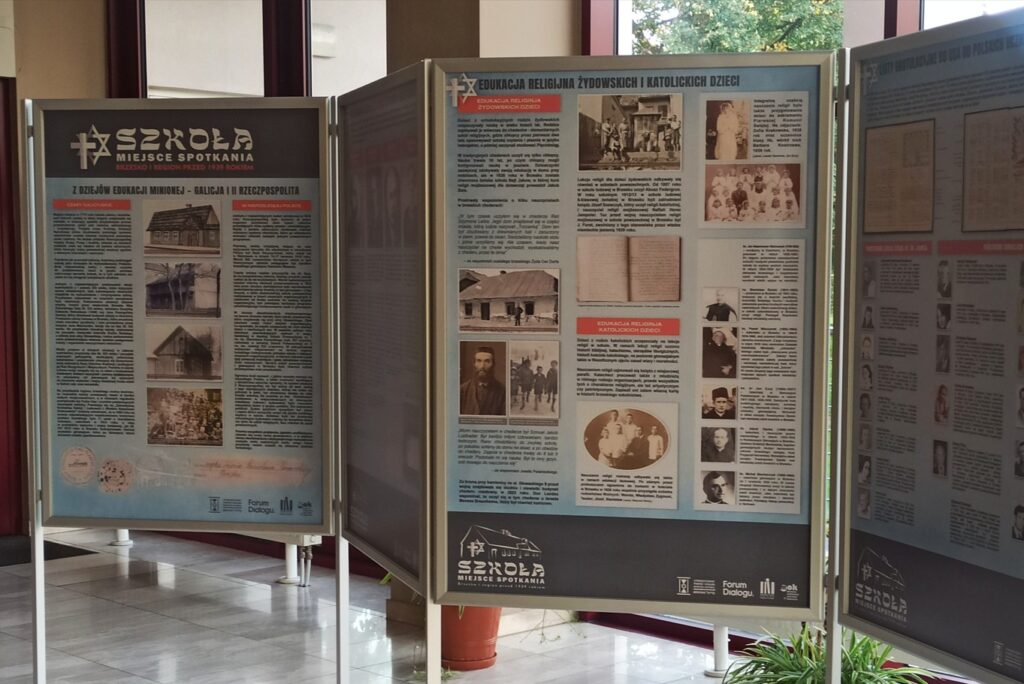
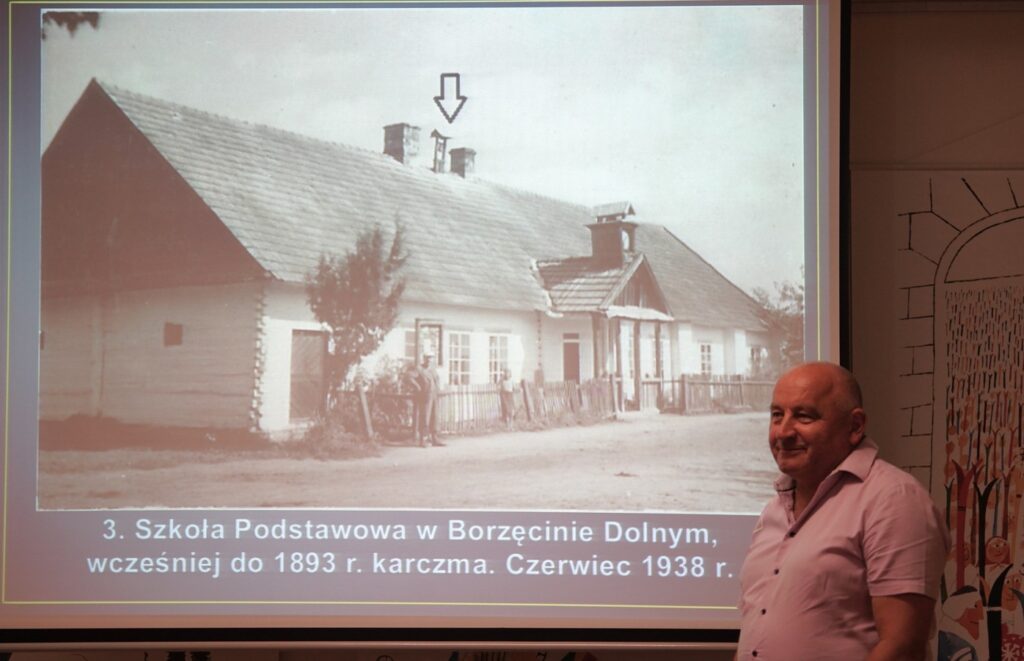
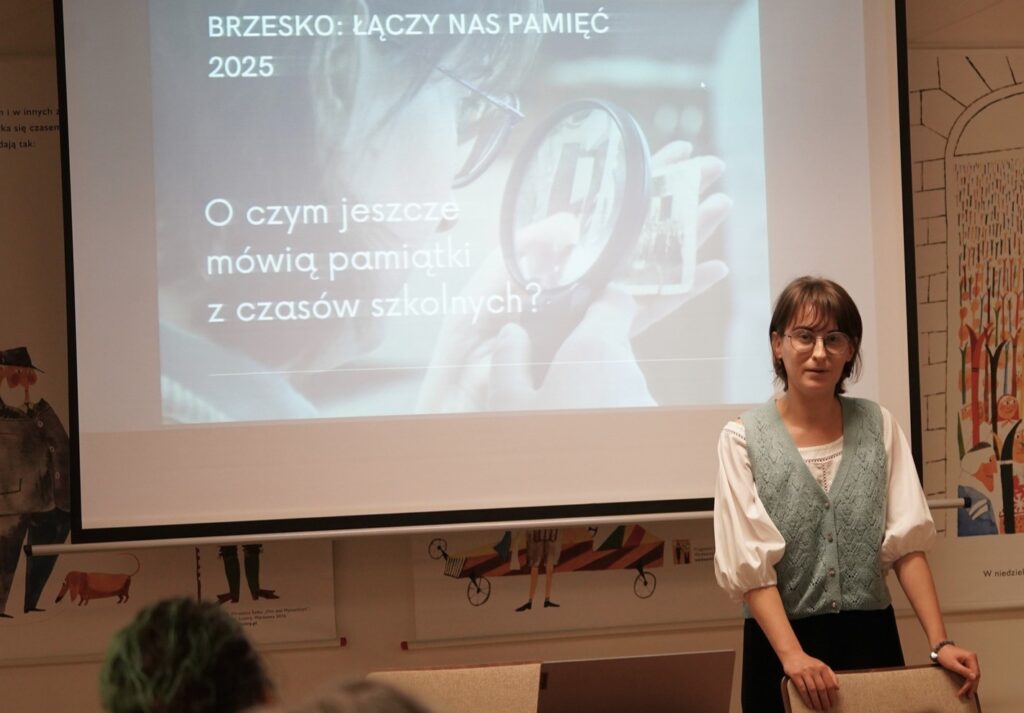
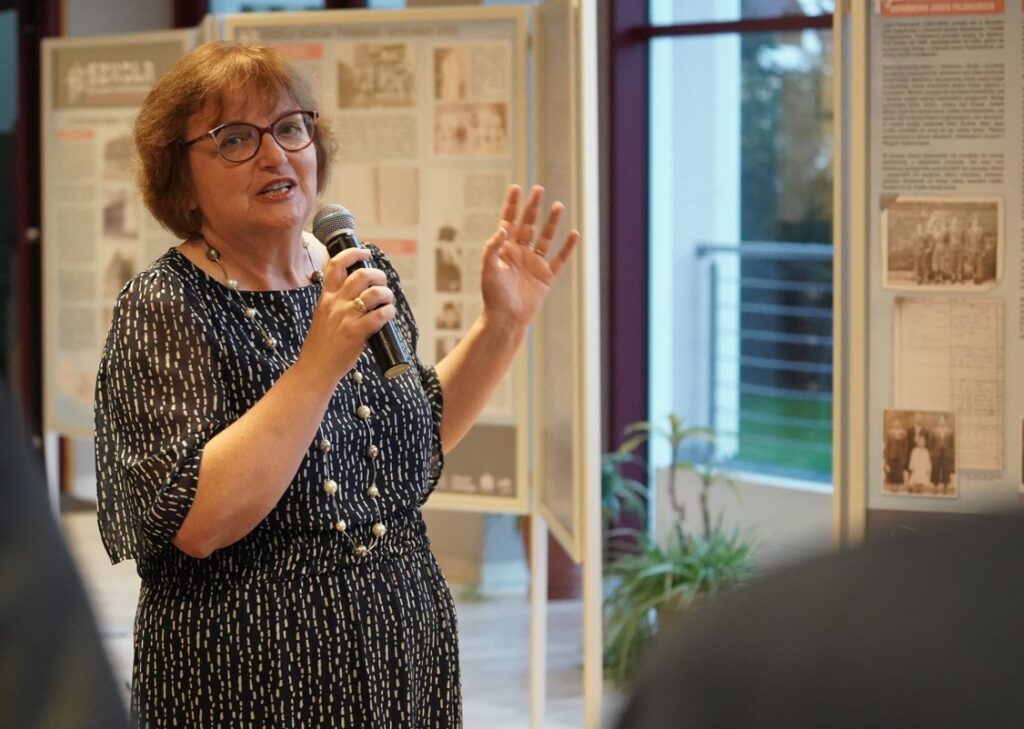
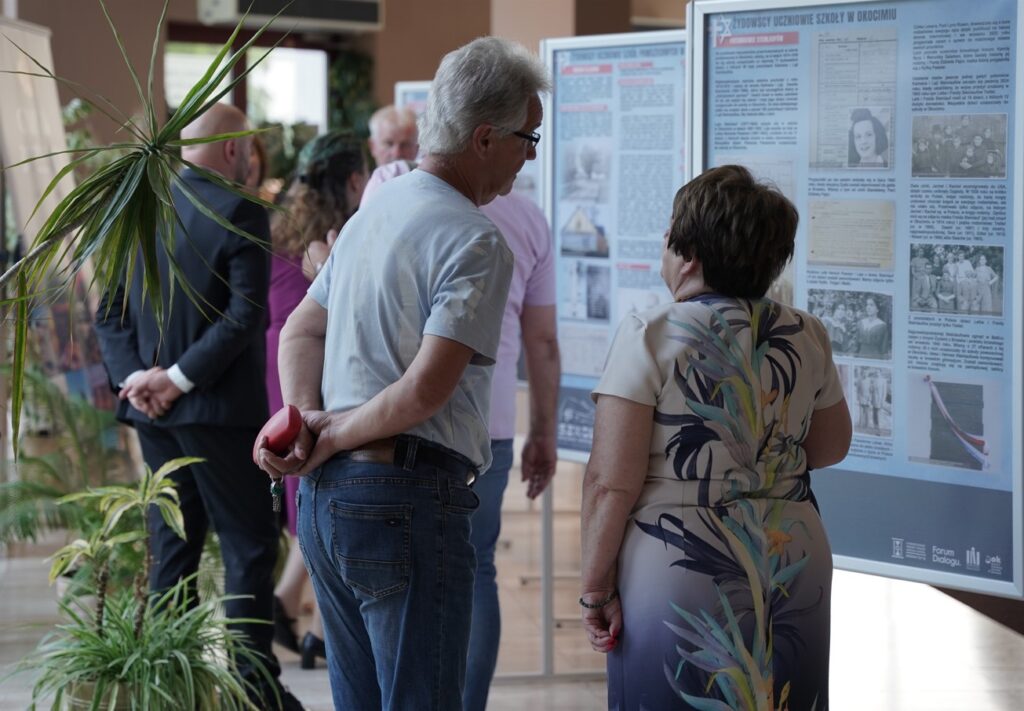
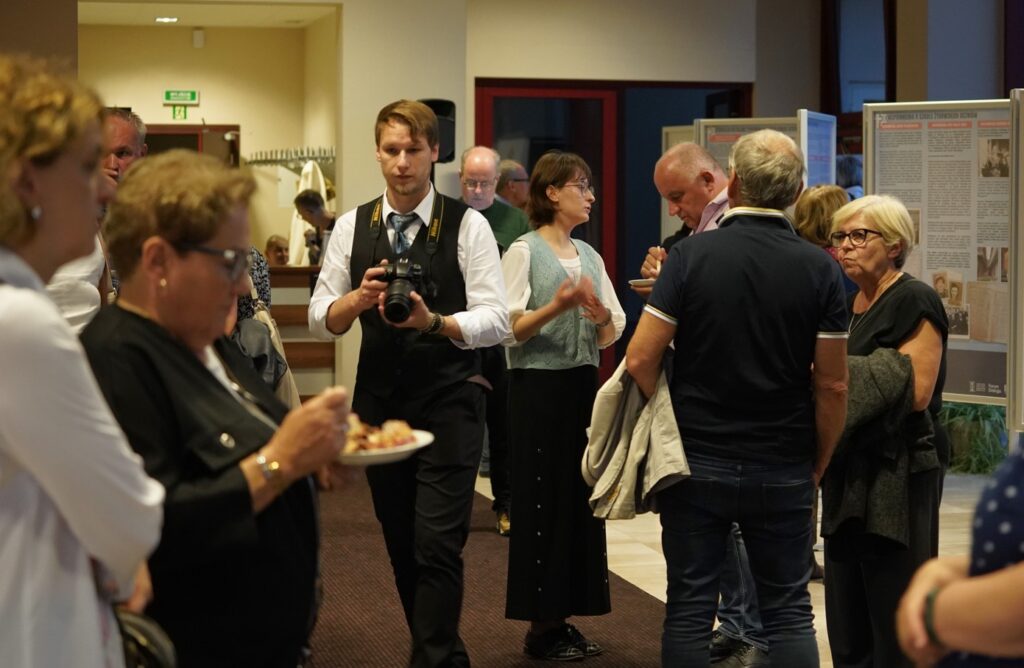
First, we opened the exhibition “School as a meeting place. Brzesko and the region before 1939” dedicated to Jewish and Catholic students of pre-war schools in Brzesko and vicinity.
We’ve been working on this exhibition together with Monika Sacha, Mateusz Michalski and Lucjam Kołodziejski for over six months, but the exhibition was also co-created by residents of Brzesko and the Brzesko County, who brought memorabilia related to pre-war education in the region.
Since the second half of the 19th century, public schools in the Brzesko County have indeed been a meeting place for Catholic and Jewish children. Subsequent exhibition panels are devoted to the education system in Galicia and the Second Polish Republic, religious education of Catholic and Jewish children; public primary schools in Brzesko, Okocim, Borzęcin, and the Brzesko high school. You can also read the memoirs of Catholic and Jewish students and learn about the fates of some of the graduates.
The opening of the exhibition began with short presentations by the exhibition’s authors; then there were discussions at the exhibition boards and we could taste dishes inspired by Polish and Jewish culinary traditions. The exhibition will be on display until the end of October.
The exhibition’s graphic design was created by Katarzyna Kostecka; this project was made possible thanks to a grant awarded to our Association by the Forum for Dialogue.
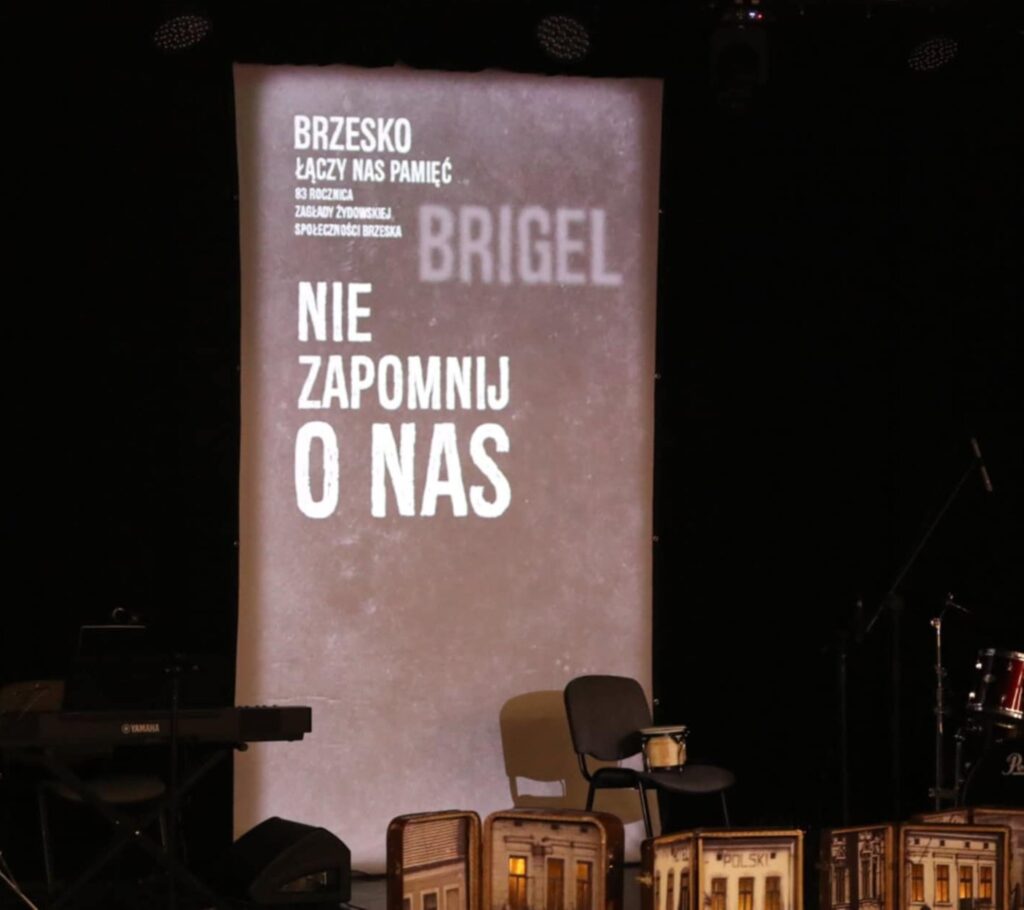
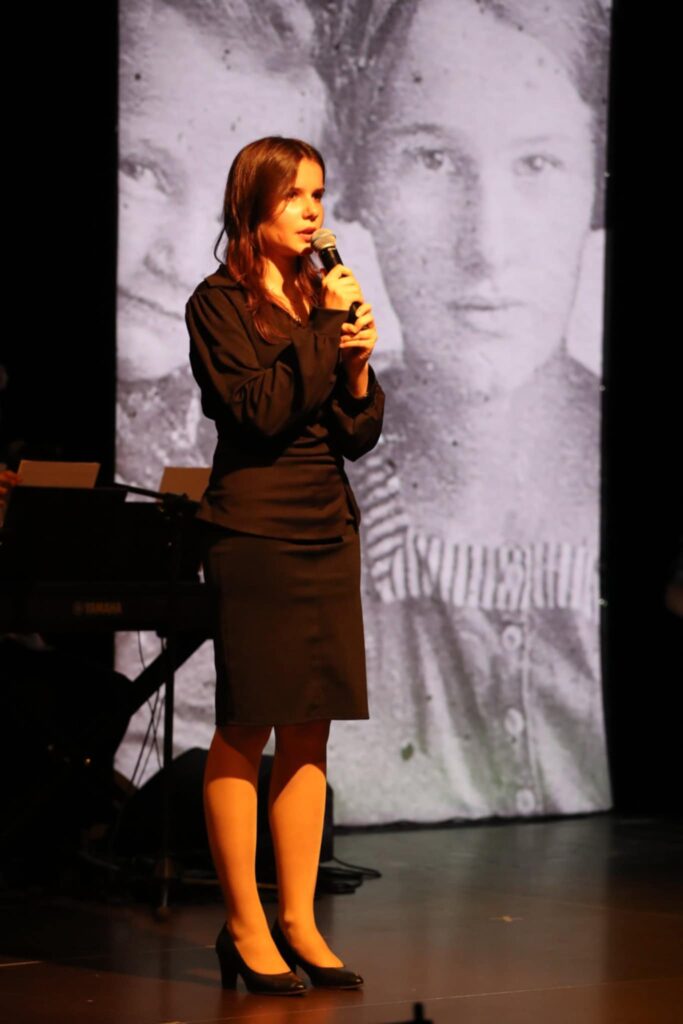
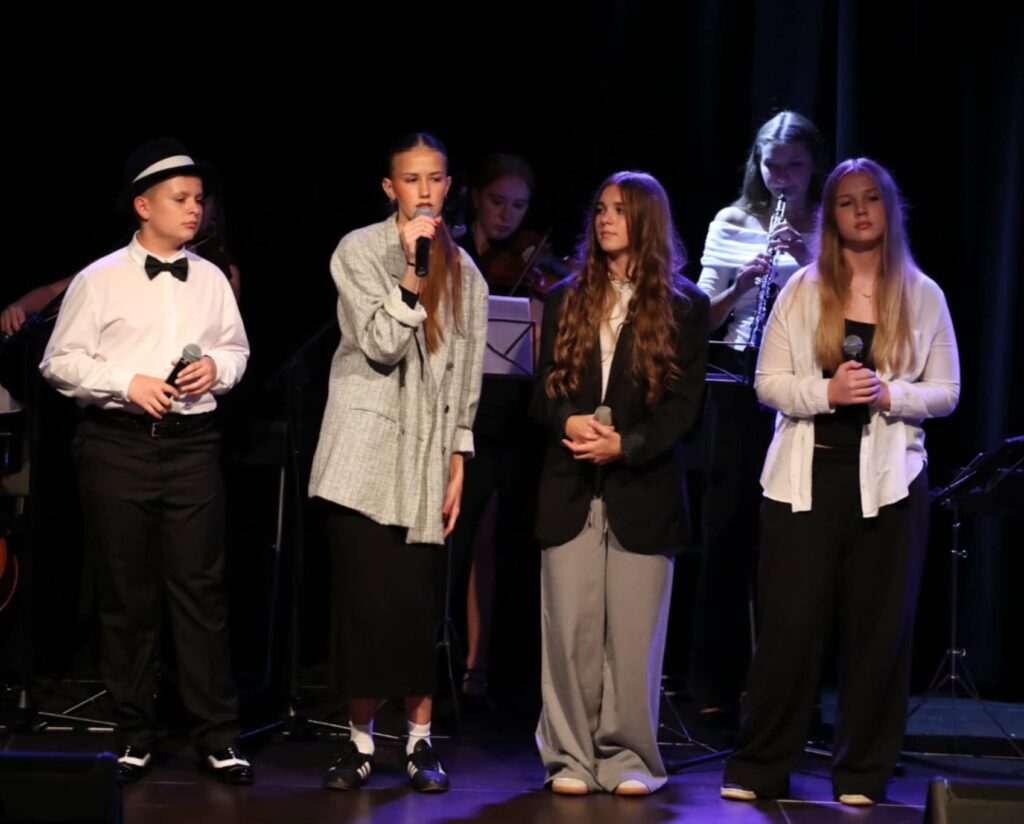
Musical program “Don’t forget about us”
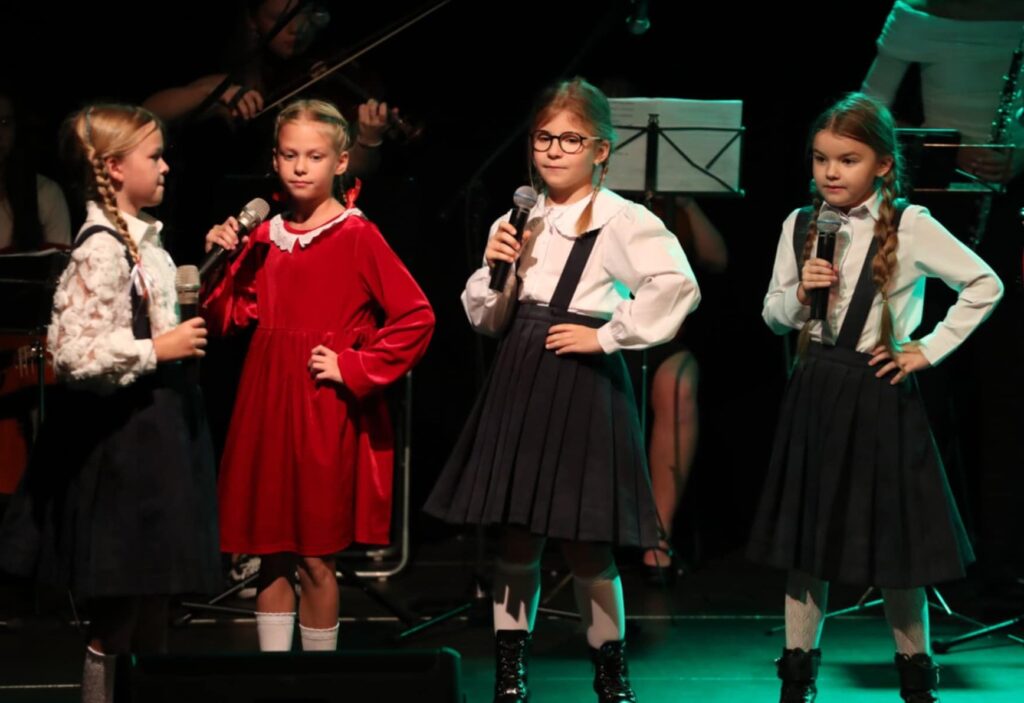
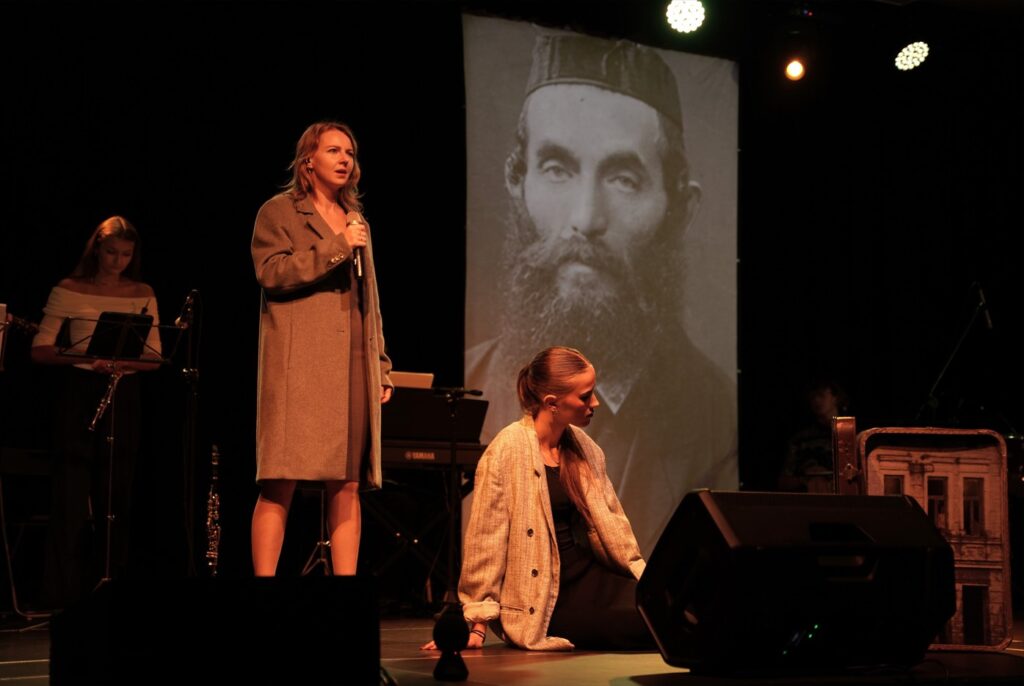
This year, we decided to honour the memory of the pre-war Jewish community of Brzesko also by creating a musical program based on the memories of several Holocaust survivors and some Jewish songs. This excerpt from Chaim Teller’s testimony became the leitmotif of the entire program “Don’t forget about us”:
“I remember Briegel – as the Jews called Brzesko – from the earliest years of my childhood. I still see little girls – Esterkas, Saras, Chanas, with their tousled hair and sad beautiful eyes, as they ran from school to play hopscotch. I see boys, little Abrameks, Moshes, Shlomos with their curly sidelocks, returning from cheders on dark winter nights.
I see old men who, when rising early in the winter, clung to the warm stove, reciting their morning prayers and sighed every year over the harsh winter. I see tailors, hatters, shoemakers, carpenters, tinsmiths, painters, glaziers, who fought so hard to support their families…
The entire town stands before me, with its synagogue, houses of prayer, mykveh, all the houses, streets, and squares. These images have been passing before my eyes for years, calling: Don’t forget about us! Don’t forget about us!”
Damian Styrna created the set based on pre-war photos of Brzesko Jews, and Agnieszka Piekarz poured her entire talent and heart into preparing the young – and very young – artists. Here you can find the recording of the entire program:
https://www.youtube.com/watch?v=SFHj_AvnKqg
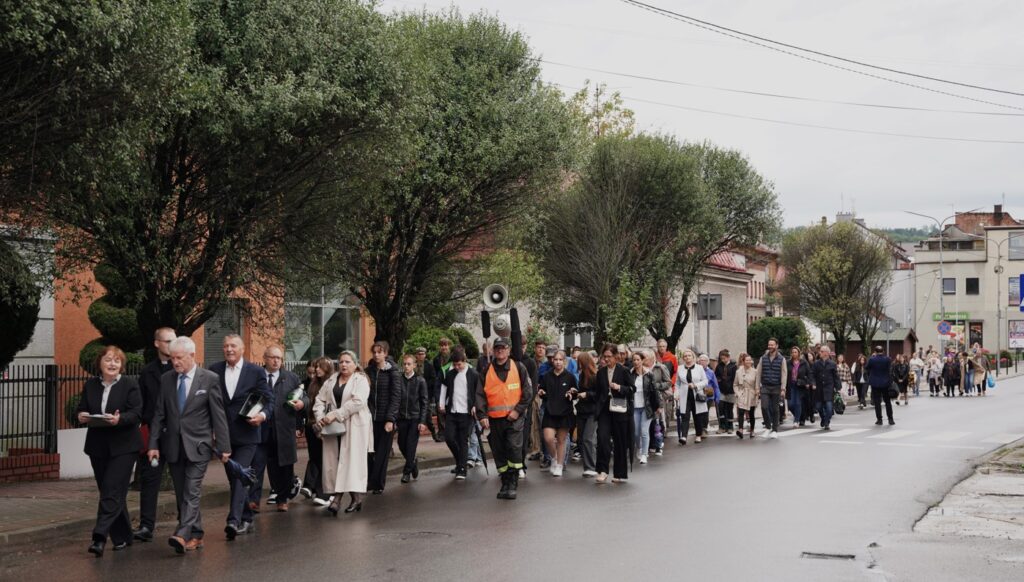
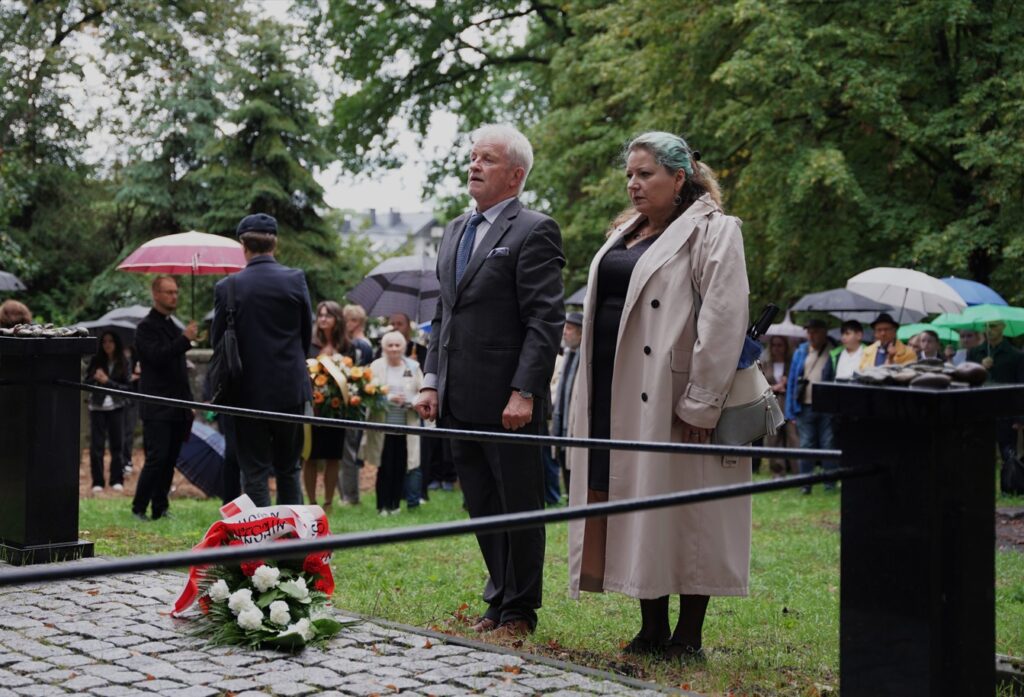
On Sunday, September 14, the March of Remembrance started at 4:00 PM. As every year, we gathered in Kazimierza Wielkiego Square, where 83 years ago the Germans rounded up all the Jews remaining in the Brzesko Ghetto. “The Gestapo men chased Jews to the marketplace, made them kneel until they gathered the entire Jewish population. Then they lined them up in fives and chased them to the Słotwina station, which is located two kilometers outside the town. At the station, the train had been already prepared. Brzesko Jews were loaded on the train and taken somewhere. Nobody returned. Brzesko became “Judenrein”. (From the testimony of Leon Epstein, 1948). We cannot bring these people back to life; we can only – and only so much – remember them.
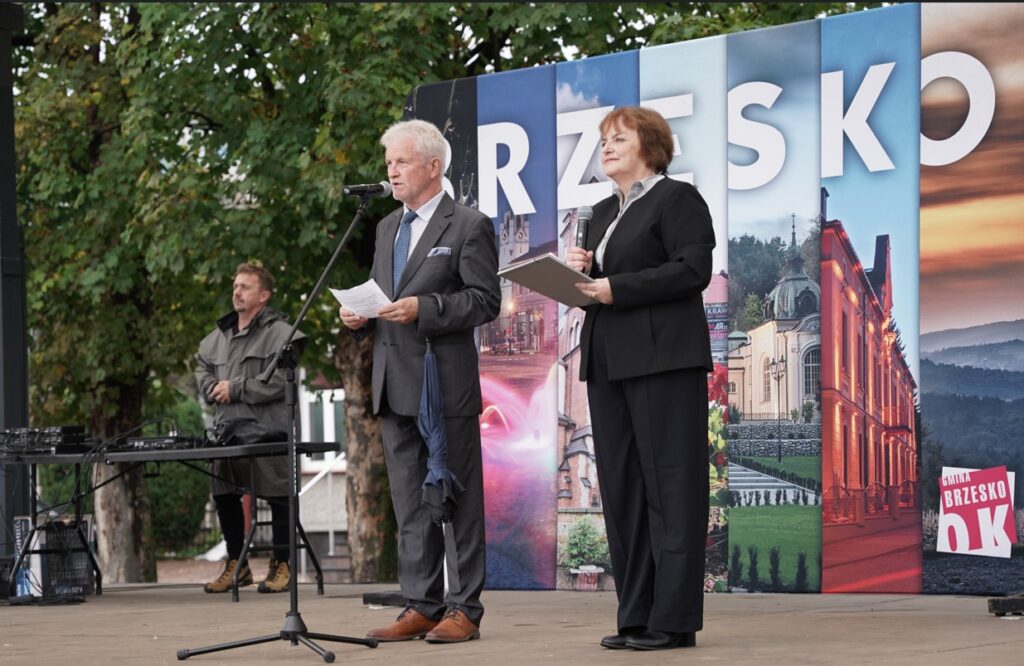
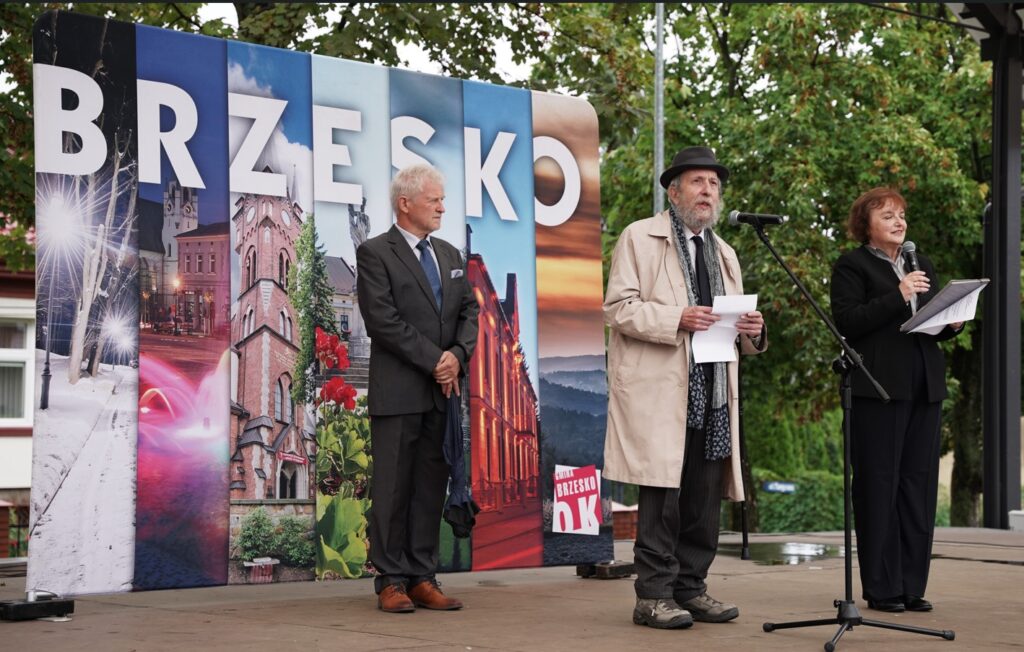
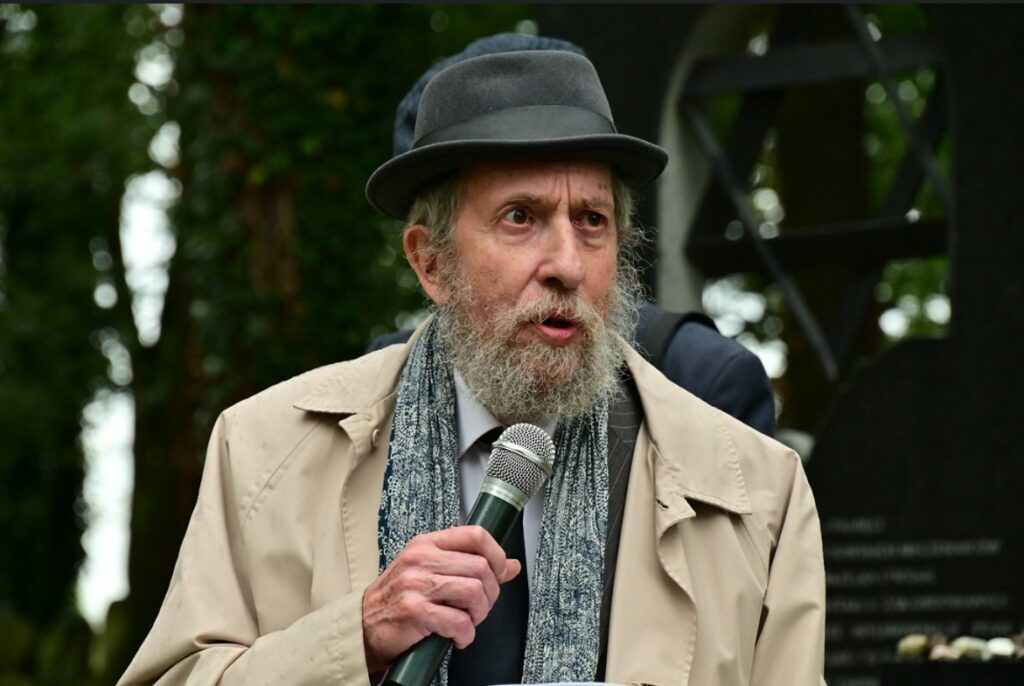
Prof. Jonathan Webber has told: „We are all affected by the Holocaust, each of us in our different ways and perspectives and histories. Remembrance is a necessary element of the wider process of cultural healing that takes place through dialogue between all of us. We pray that the memory will help to bring redemption, and that God will restore the spiritual potential that he made offered to humanity. Yes indeed, God was diminished at Auschwitz, Bełżec, and indeed everywhere where Jews, Poles, and members of many other nations died unnecessarily during the war; but the prayer is that his name and his message should become great once again. We pray that spirituality, ethics and morality will be restored to the world. That, in spiritual terms, is the true revenge against the murderers – namely, if those values can be restored to the world, and if the young generation can be strengthened in their opposition to ideologies of hatred. I think that is the main message we should be thinking about on this anniversary day of the destruction of the Jews of Brzesko.”
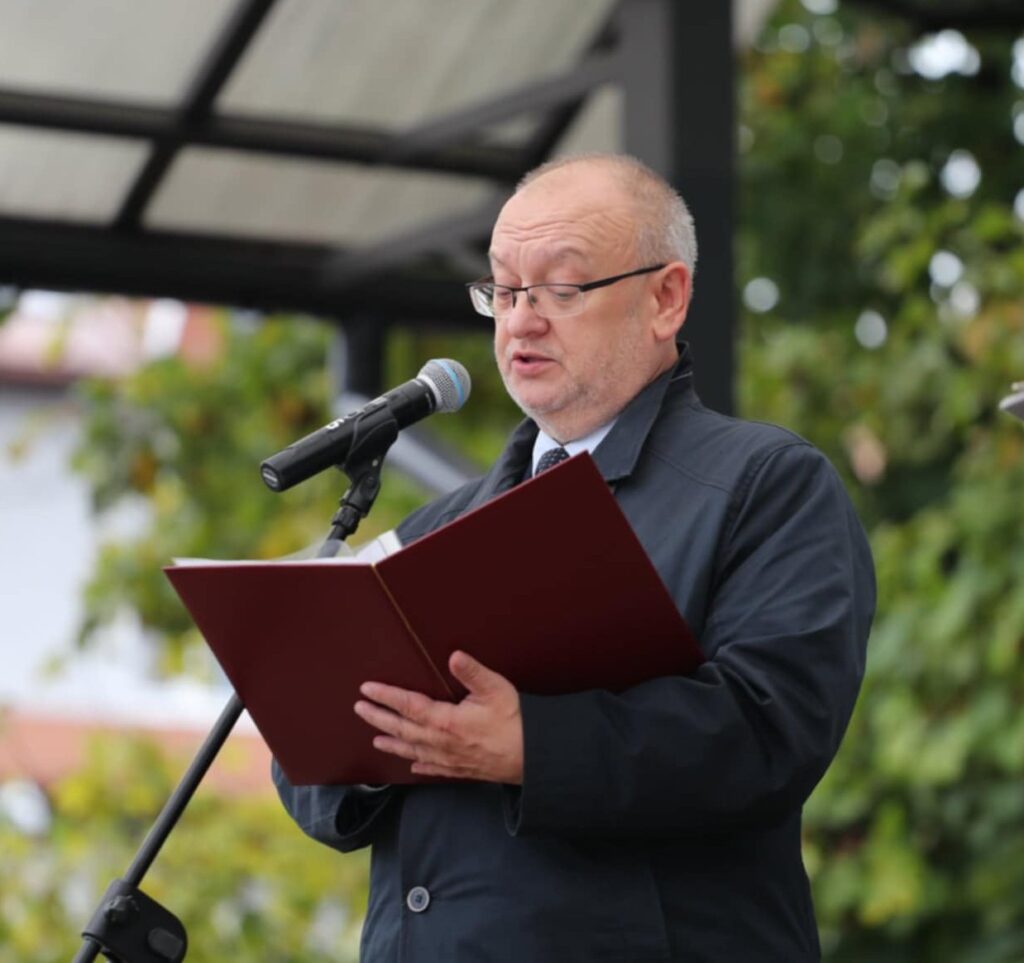
Principal of the Brzesko high school Ryszard Ostrowski has told: “Do not be indifferent when someone insults, when they lie, when they humiliate. Do not be indifferent when freedom and peace, which seemed so certain, become threatened. Memory is not just a journey into the past. It is, above all, a lesson that should teach us to recognize evil in the present. We must be vigilant. We must distinguish truth from lies. Our job is to bear witness and to tell this story. Your job is to carry this story, this lesson, into the future. To make it a shield. A shield against indifference, which is the silent accomplice to every crime. Memory is not a utopia if it fights indifference.”
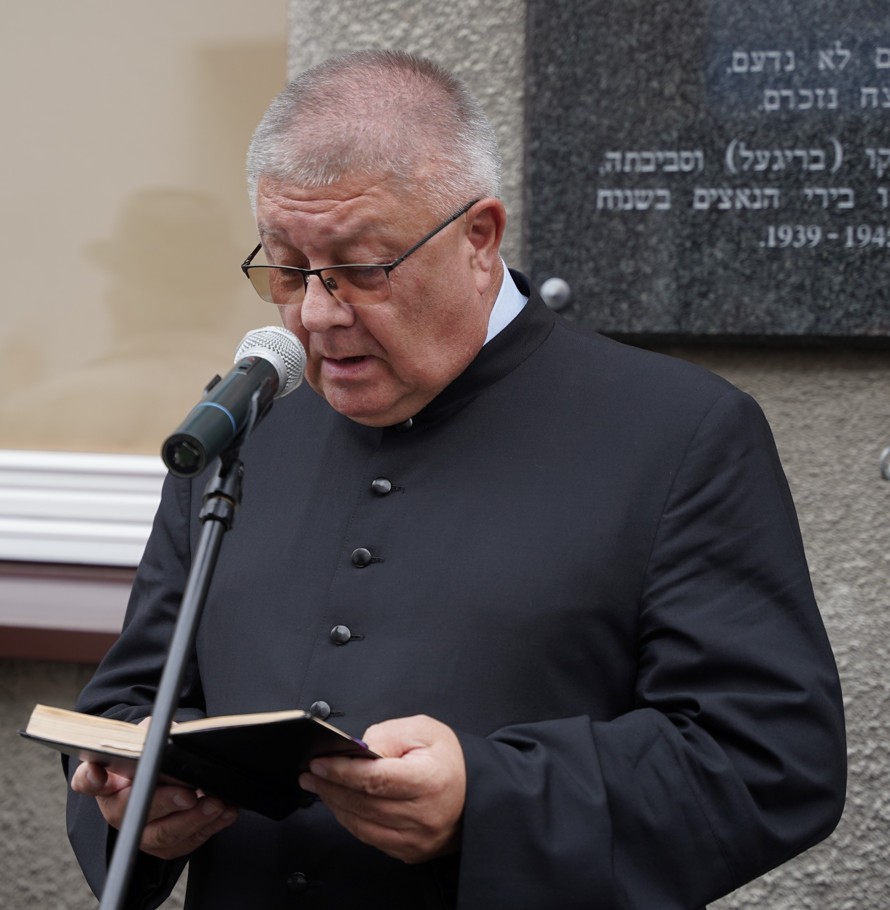
From Kazimierza Wielkiego Square, we walked to the synagogue building, where Parish Priest Józef Drabik prayed for the murdered Jewish residents of Brzesko with the words of one of the psalms, and Professor Webber recited the prayer in Hebrew.
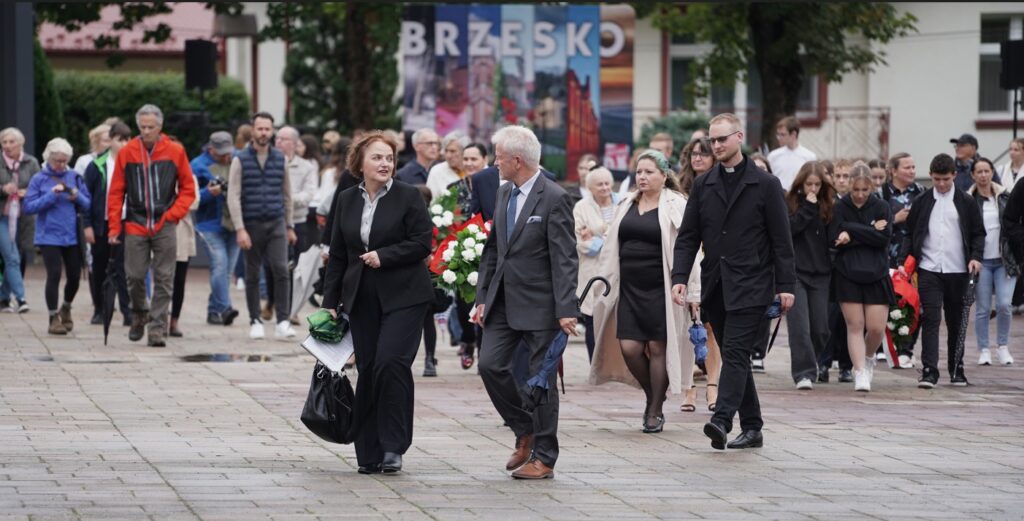
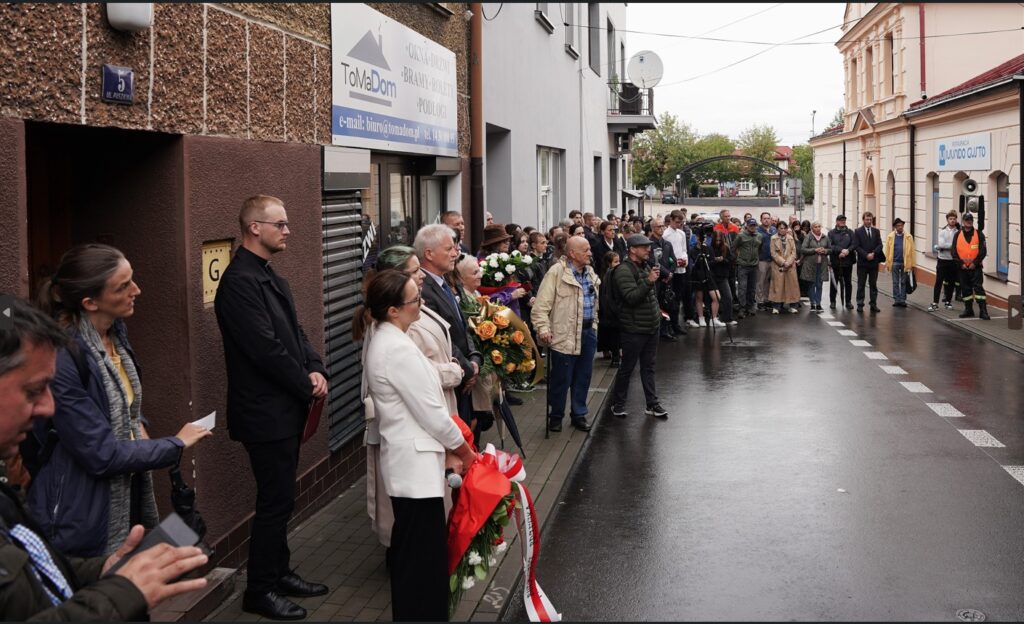
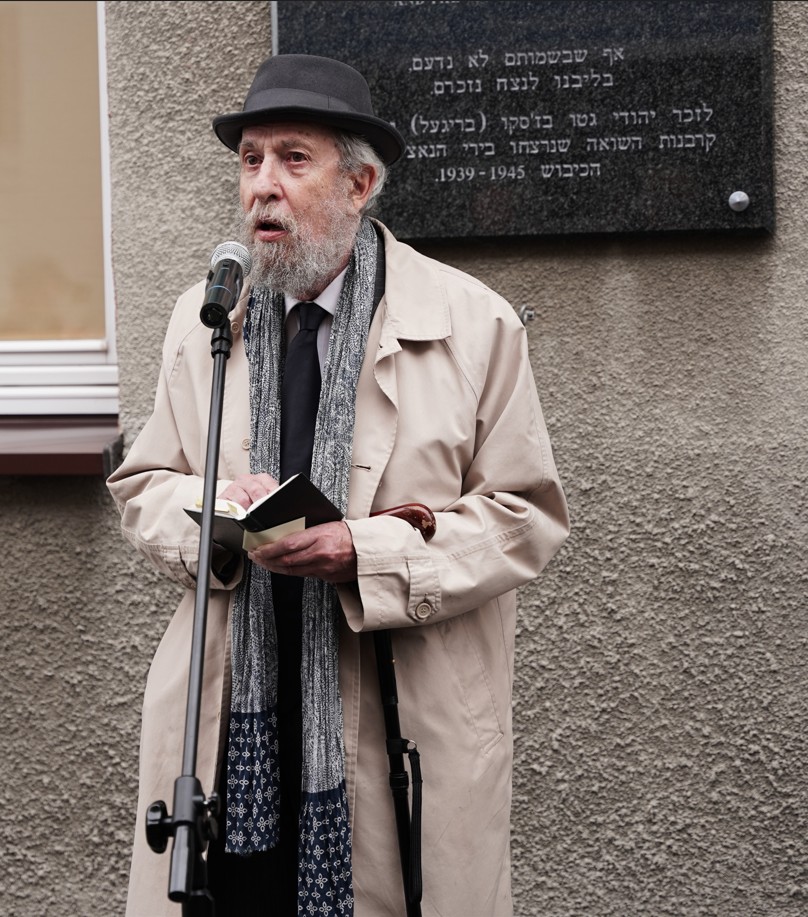
As we set off toward the Jewish cemetery, one could not but think about the Jews who had walked this route in September 1942. Did they say goodbye to family graves as they passed the cemetery? Did they try to help the elderly, tired from hours of kneeling? Did they carry the youngest children in their arms?
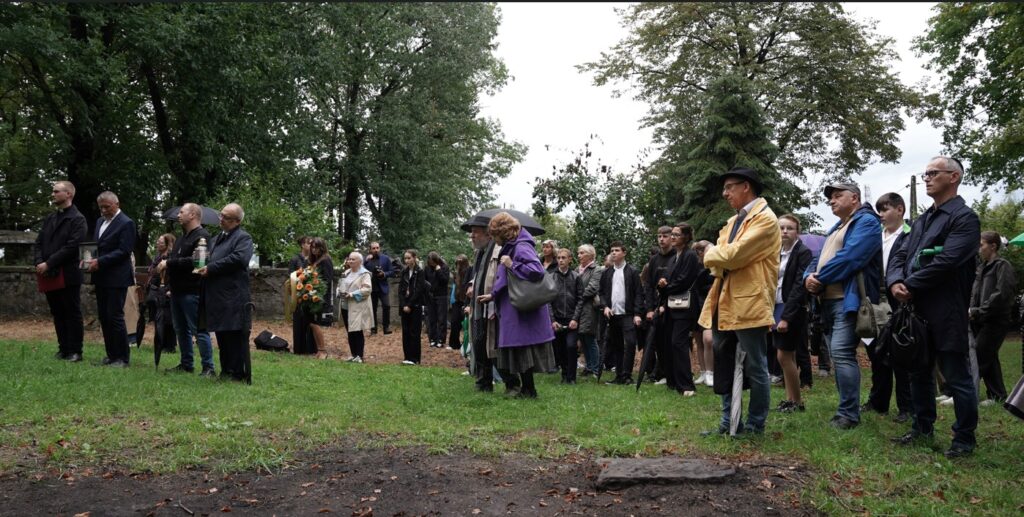
During the Memorial Ceremony, representatives of five families of descendants of Brzesko Jews read the names of their murdered relatives.
Leibisch Landau, my grandfather
Mirel Landau, my aunt
Naftali Landau, my cousin…
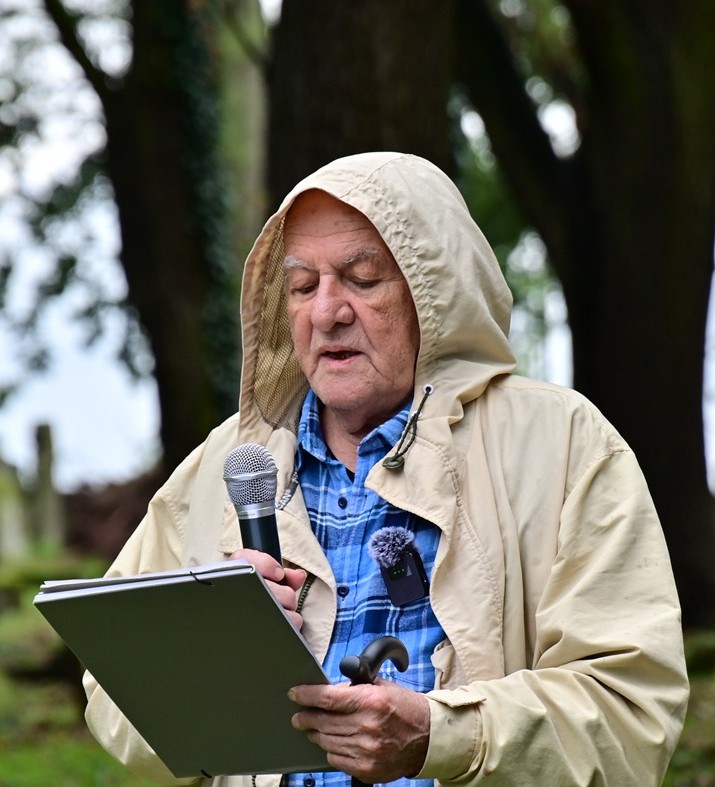
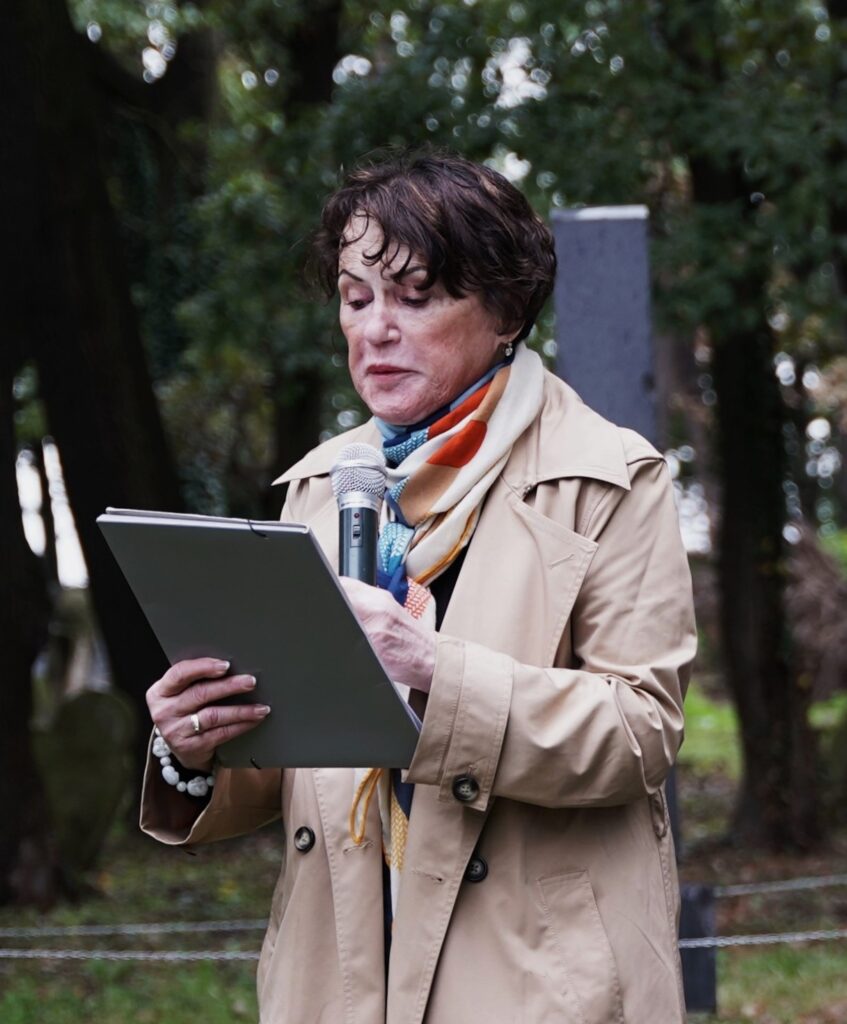
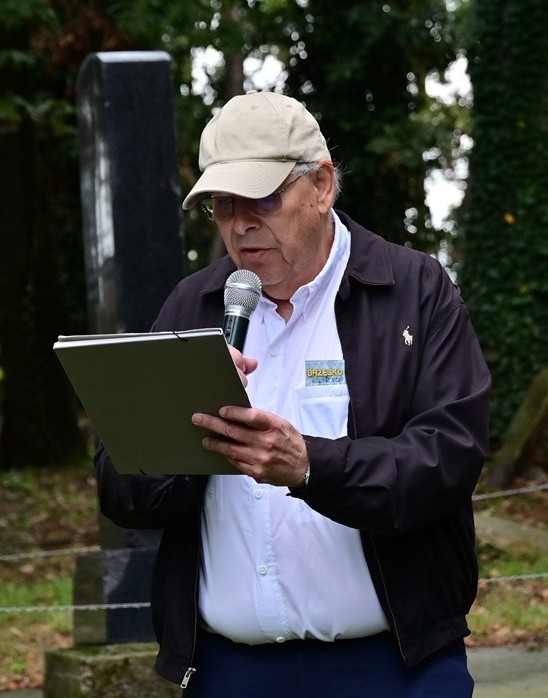
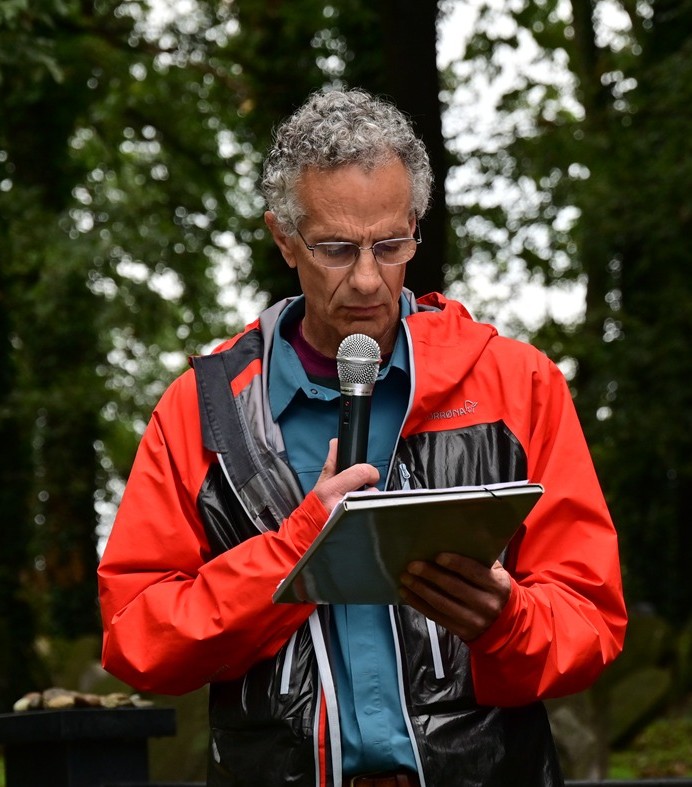
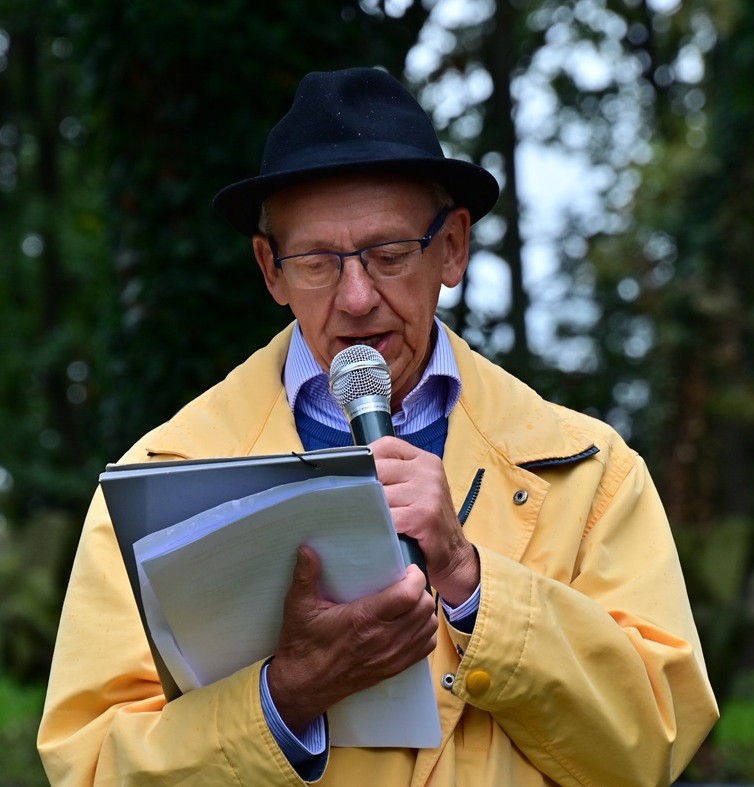
This year’s March of Remembrance was particularly dedicated to the Jewish students of pre-war schools in Brzesko and vicinity. Therefore, it was so important that current students from schools in Brzesko, Okocim, and Borzęcin read the names of murdered Jews who had attended their schools. Thanks to partially preserved school records, it was possible to identify the names of 1,630 Jewish children who had attended Brzesko primary schools before the war, 129 Jewish students from Brzesko high school, 71 Jewish children from the school in Okocim, and 70 from two schools in Borzęcin. Only a few survived the war.
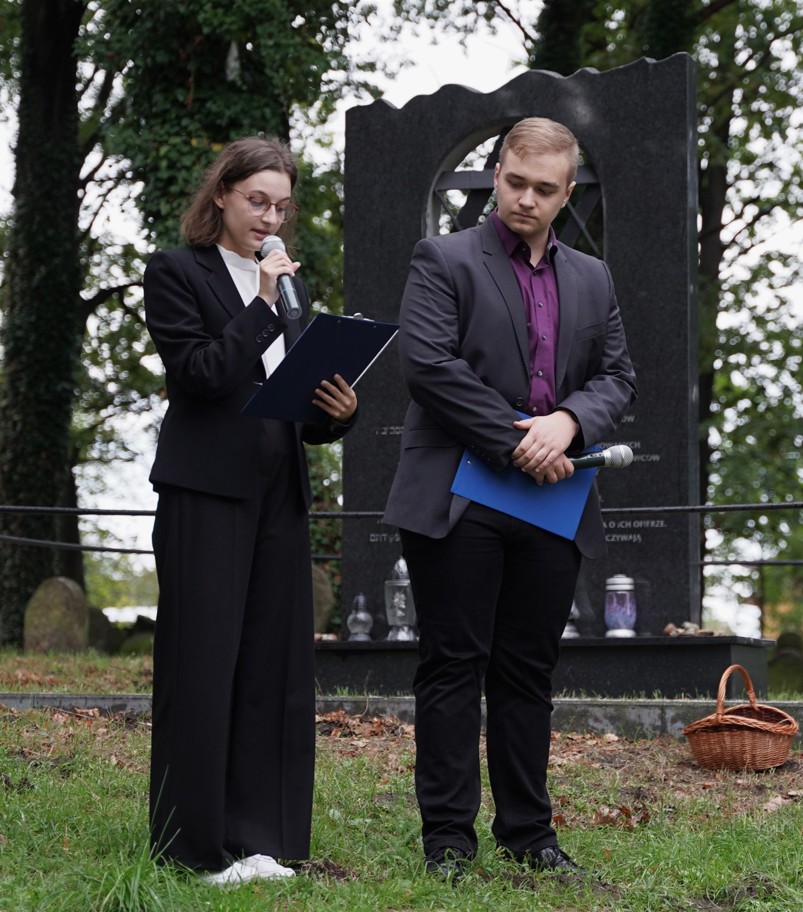
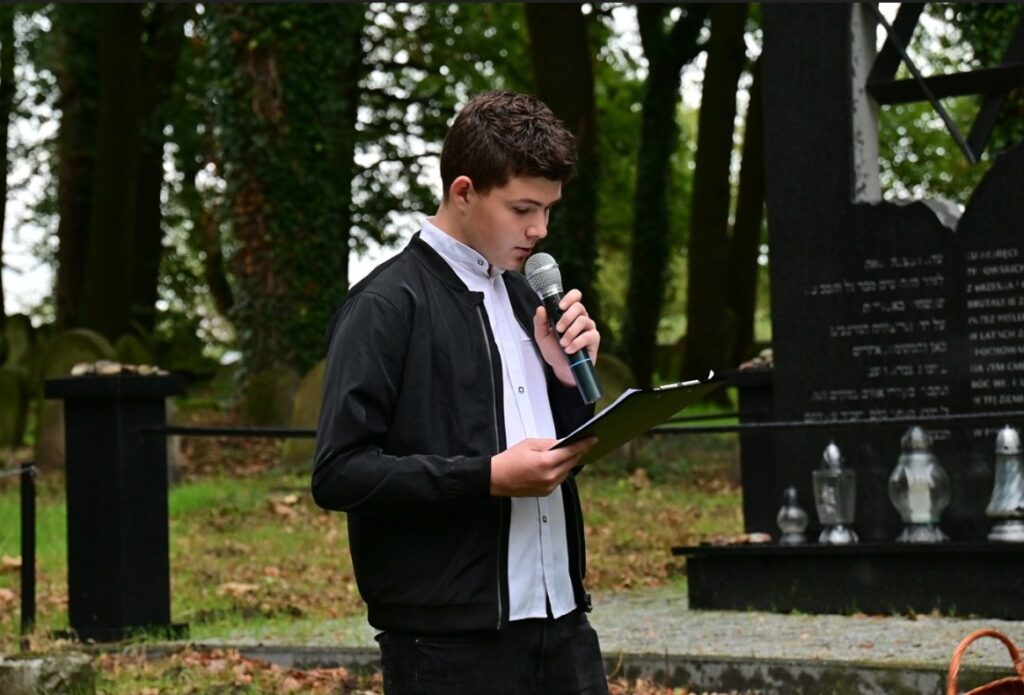
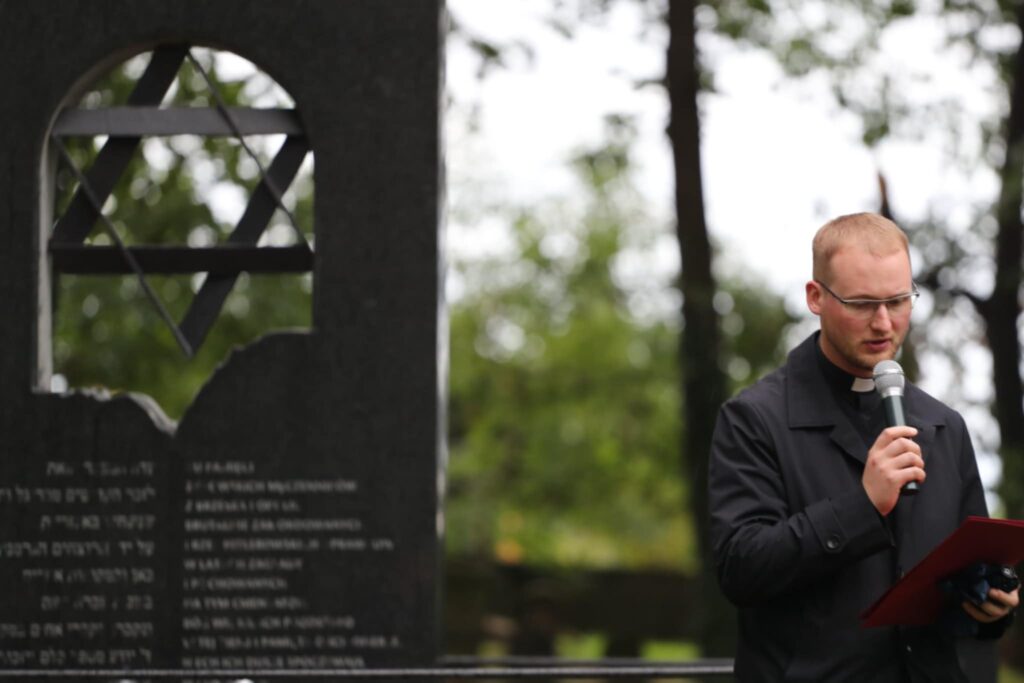
There are no Jews in Brzesko today, but during the March of Remembrance, we were together, Catholics and Jews. Prayers for the victims of the Holocaust were offered by the Catholic priest Hieronim Wróblewski, who came to Brzesko representing Cardinal Grzegorz Ryś, and the Orthodox Jew Jonathan Webber.
Organization of this year’s commemorative events wouldn’t have been possible without joint efforts of the members of our Association Anna Kudła, Bernadeta Styczeń, Zuzanna Peters-Musiał, Damian Styrna, Bogdan Brzyski, Elżbieta Pajor and support of the Brzesko high school, Brzesko city library, Brzesko culture center and Brzesko city council. And I’m deeply grateful to descendants who came to Brzesko and all those who have been supporting our efforts on commemoration of the pre-war Jewish community of Briegel and vicinity. We are doing this work together!
Photos in this article are by Robert Sowa, Krzysztof Wasyłek, Konrad Wójcik and Anna Brzyska.
© Anna Brzyska, 2025